Grace Life Foundation Logo

Eco Revive: Turning commitment into Action

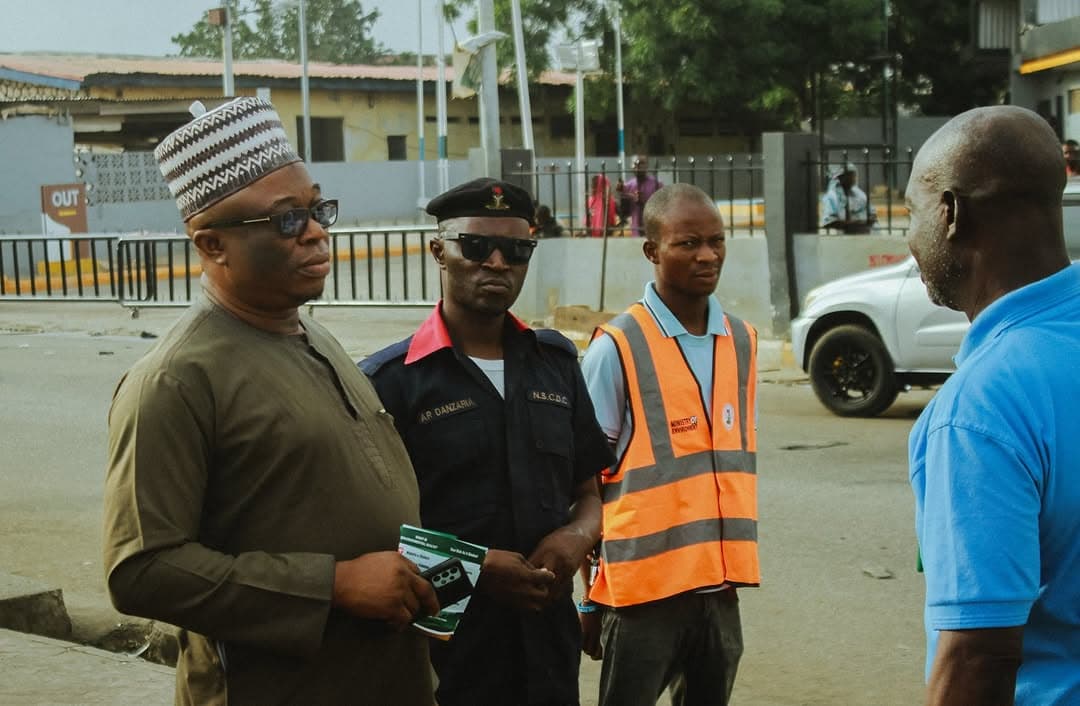
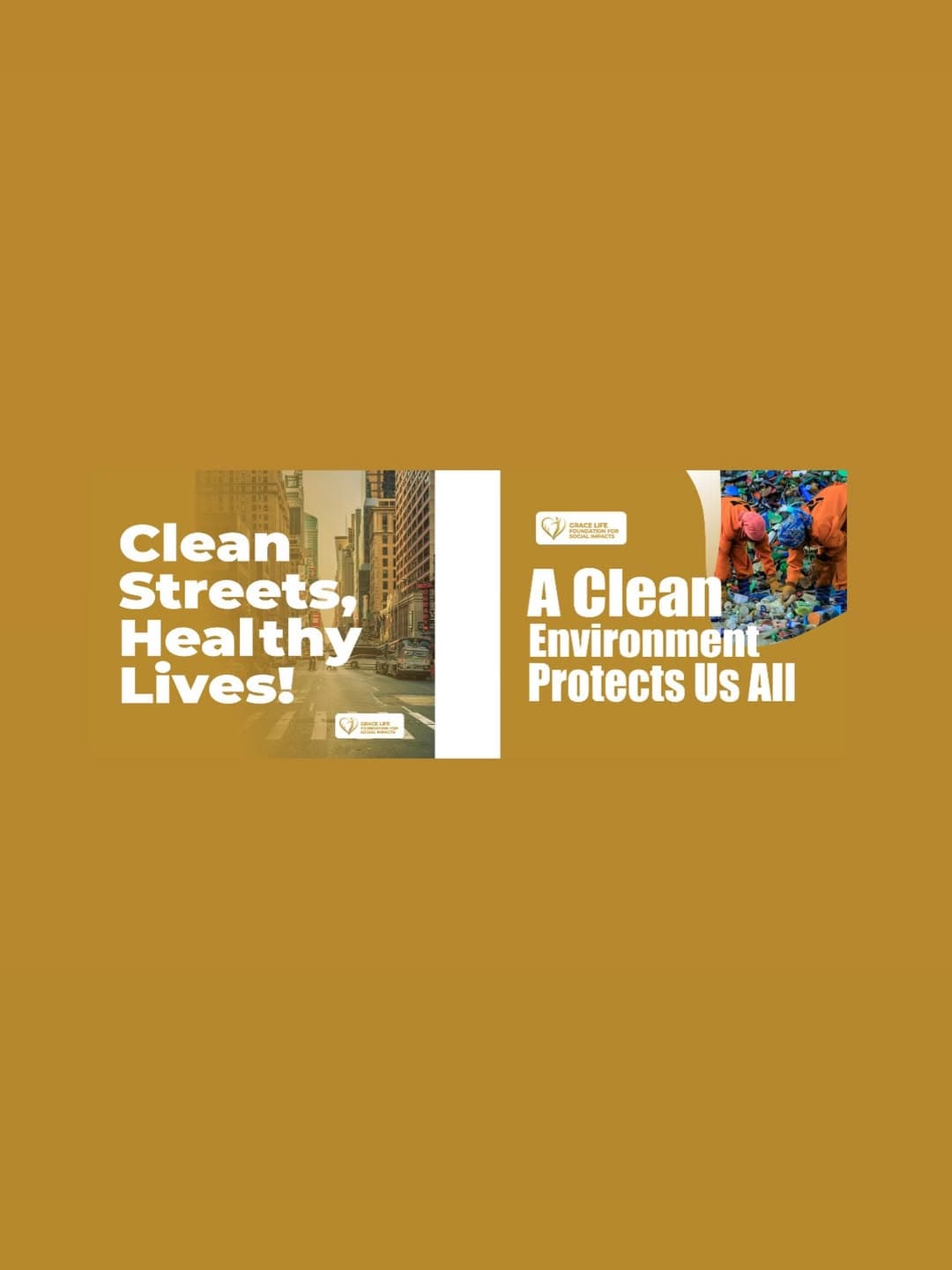
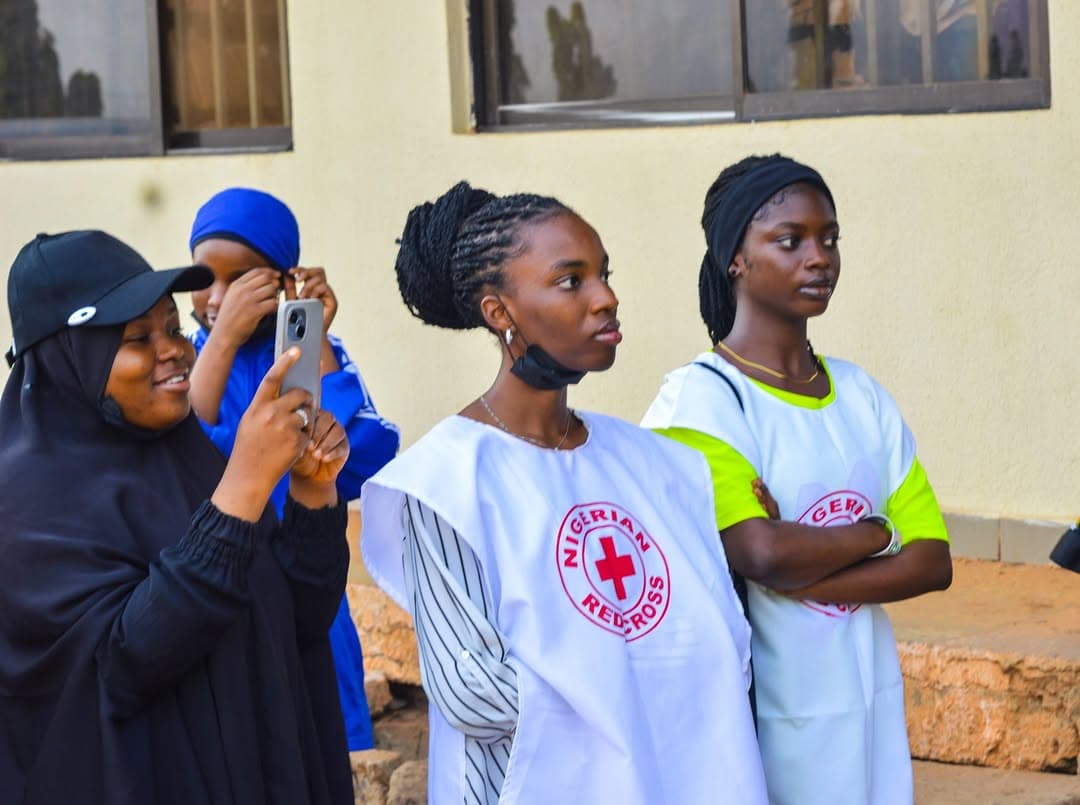
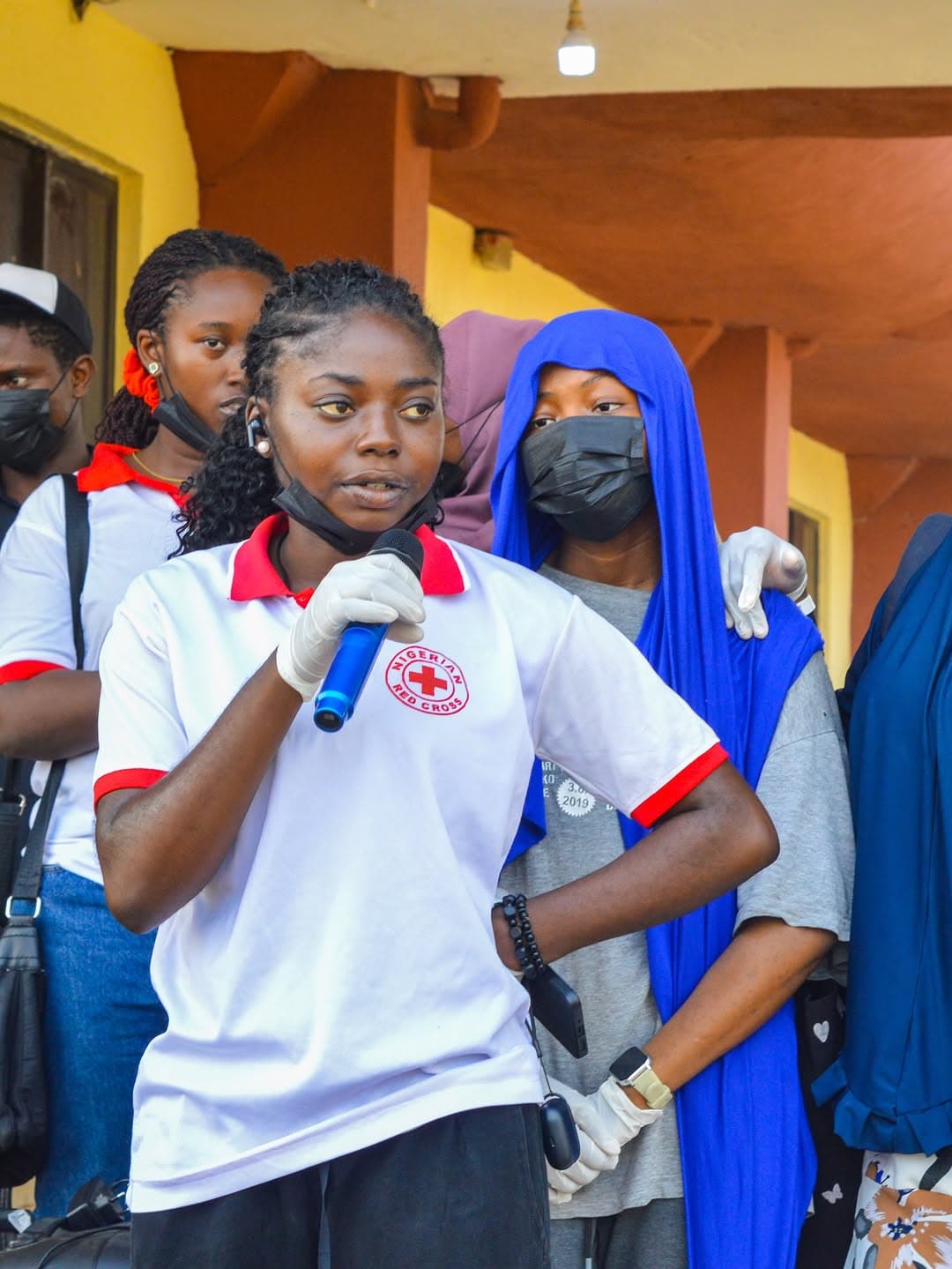
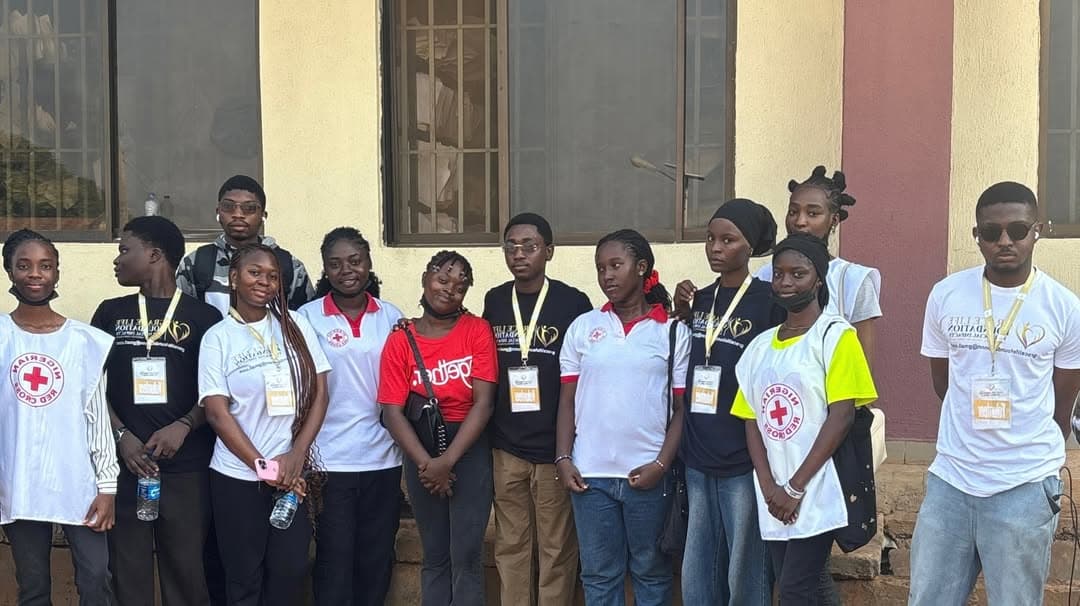
This Waste Month, we are proud to work alongside our collaborators on the Eco Revive project.
Your support strengthens our shared commitment to responsible waste management and environmental renewal.
Eco Revive is more than a project. It is a call to act.
Reduce waste, sort properly, reuse what you can, recycle where possible.
Every choice matters. Every action counts.
Together, we can build cleaner communities and a healthier environment for all.
Thank you to our collaborators for standing with us.
Let's keep the conversation going. Let's keep the action visible.

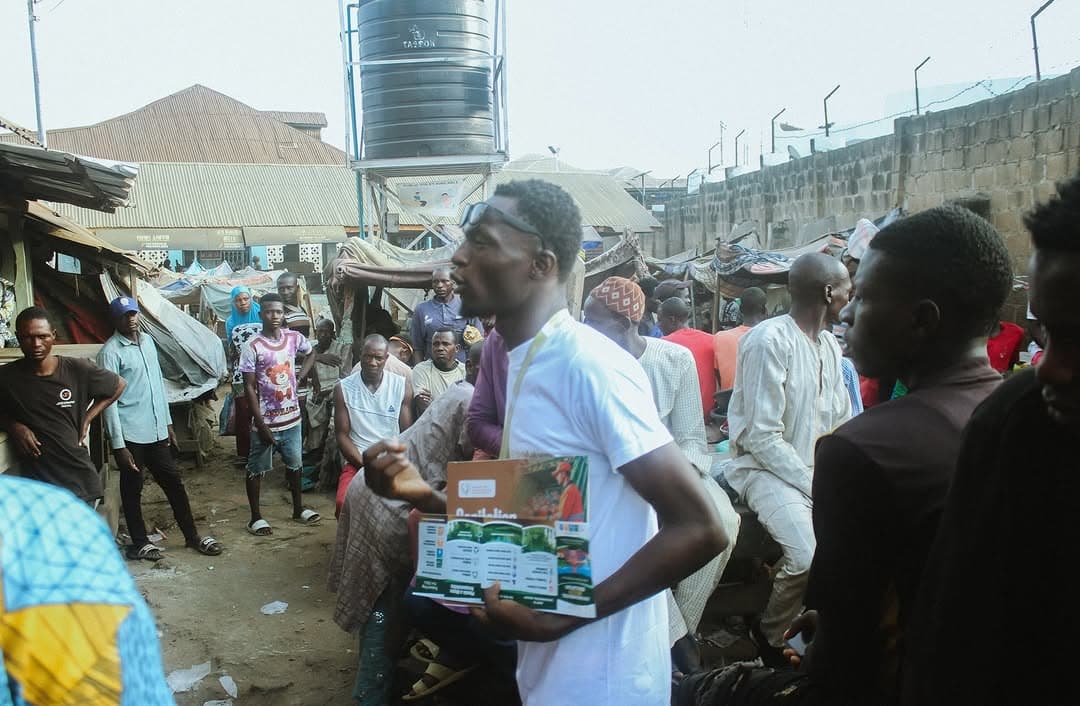
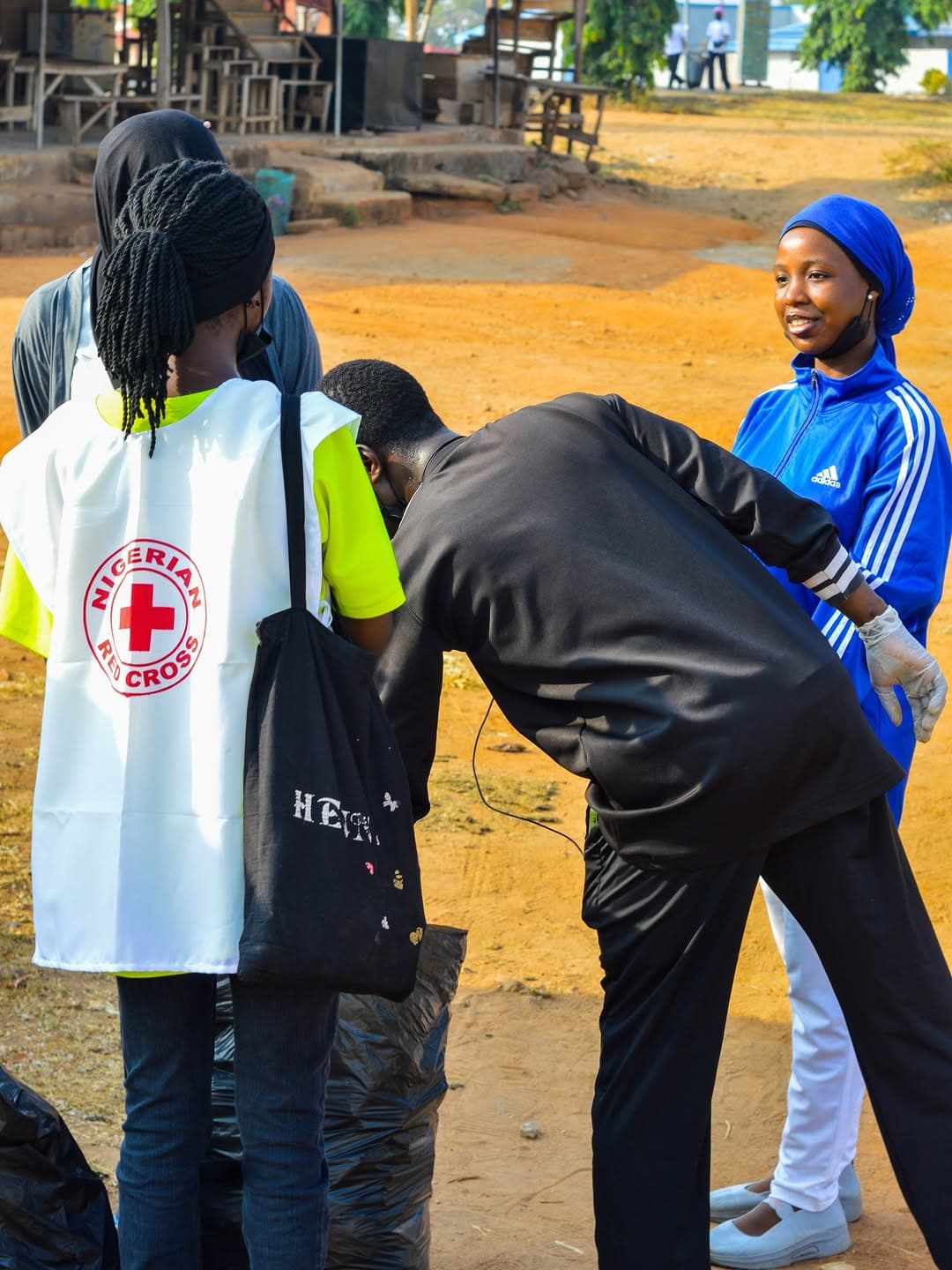
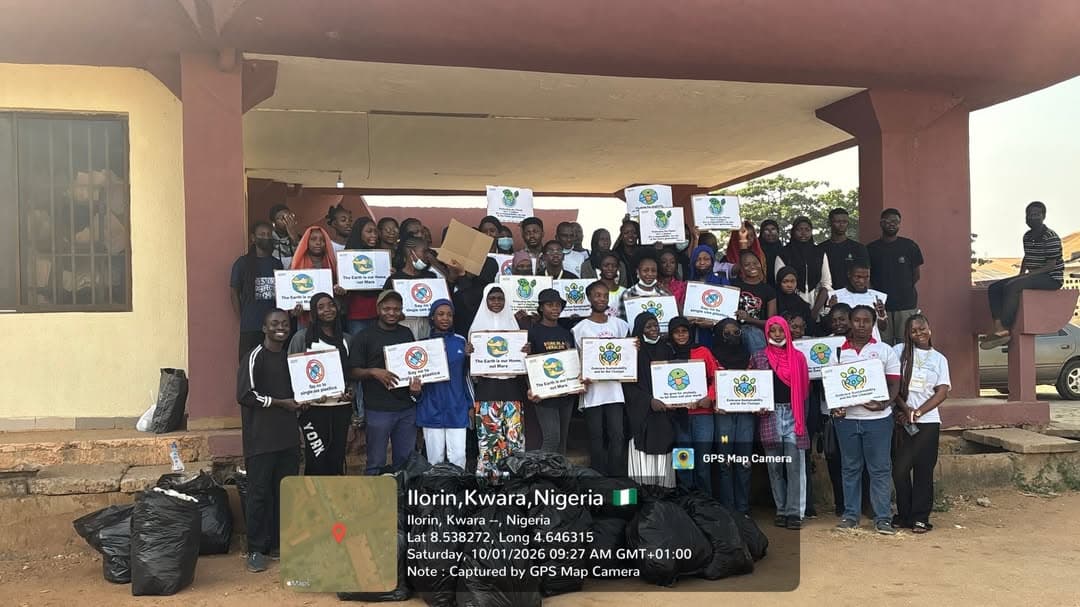
One Cleanup. One Community. Real Change

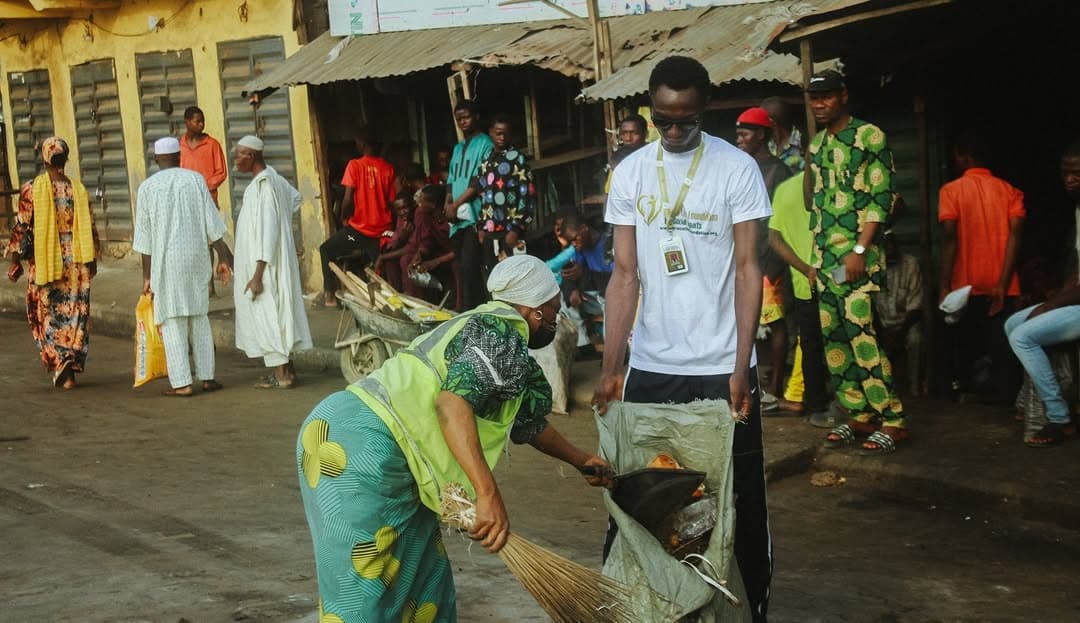
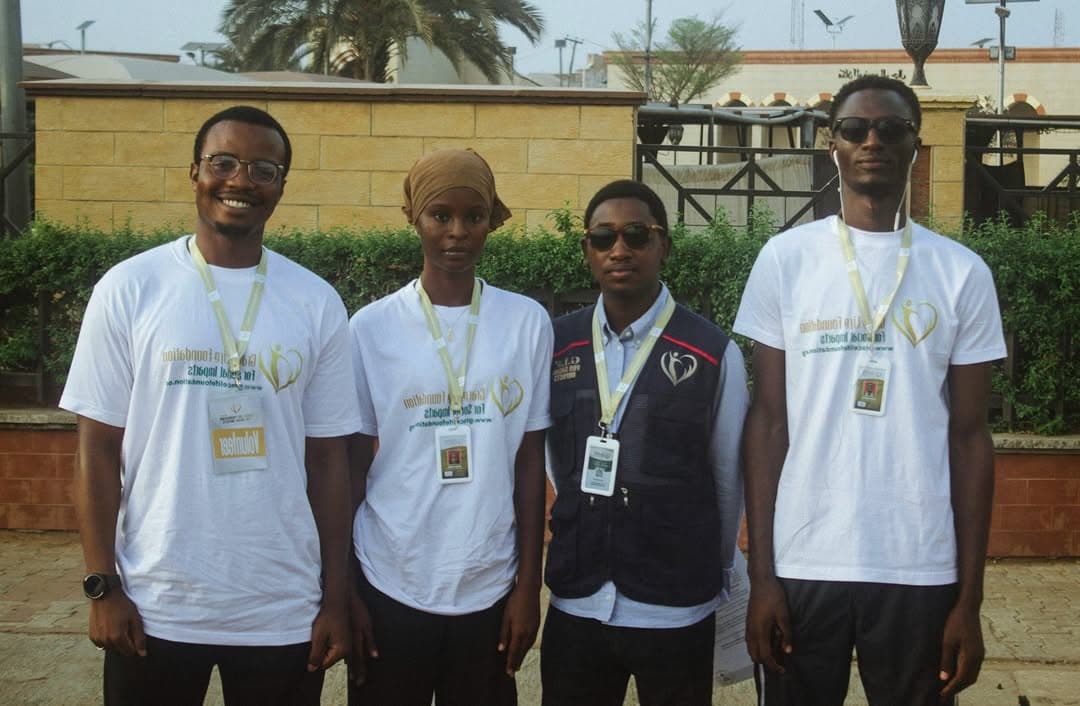
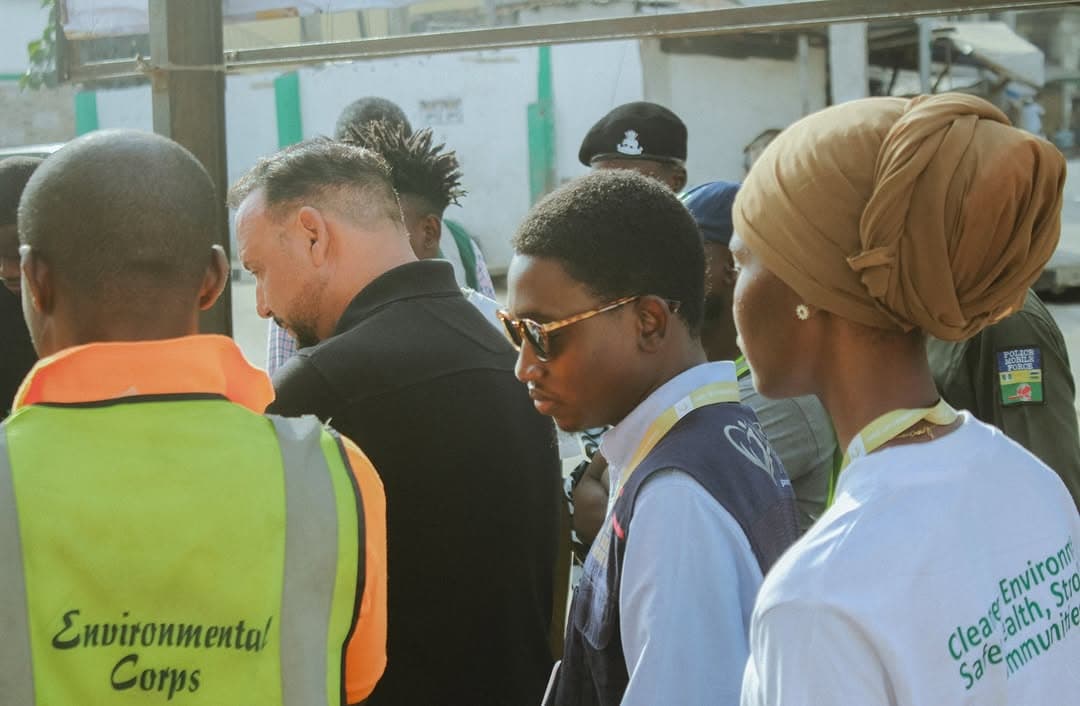
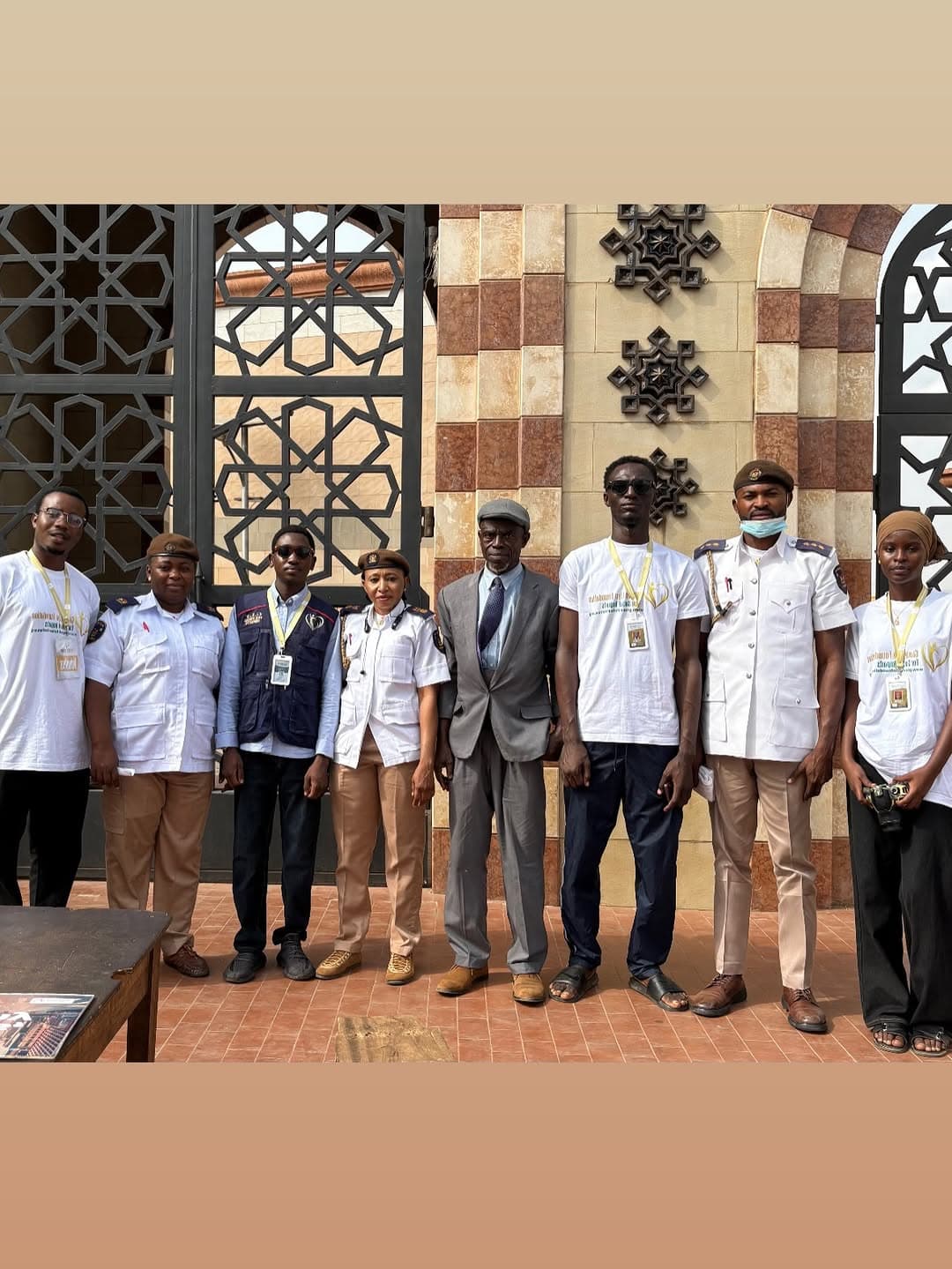
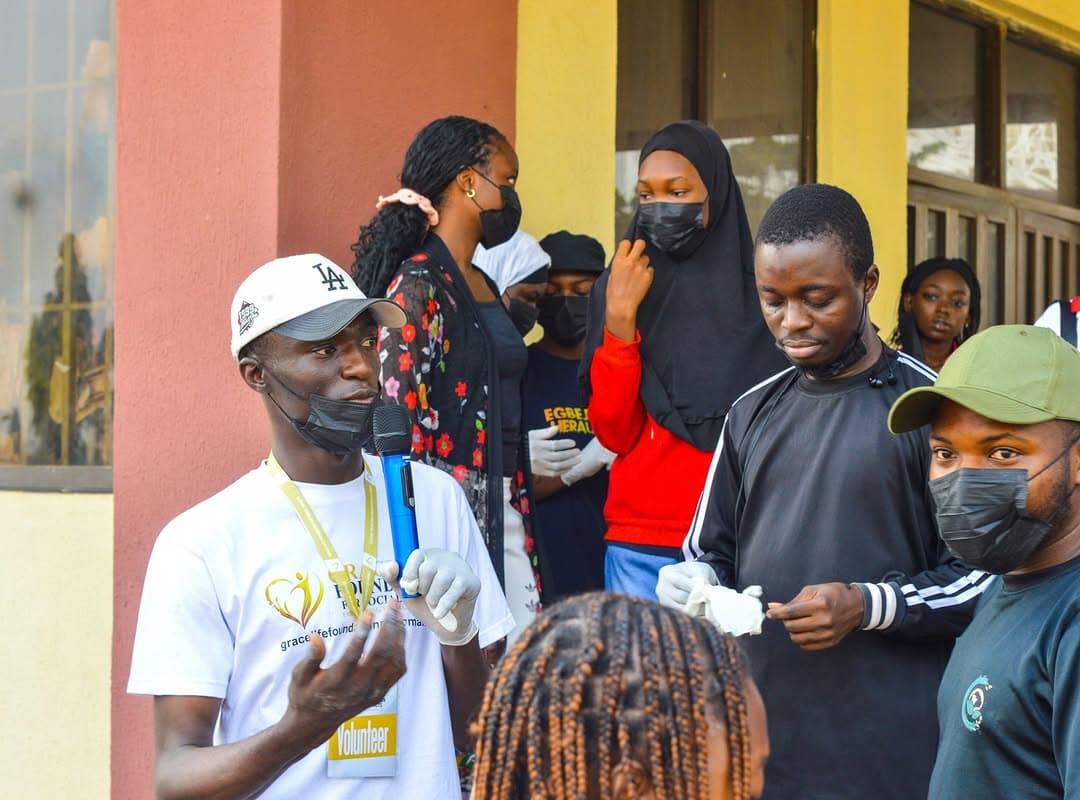
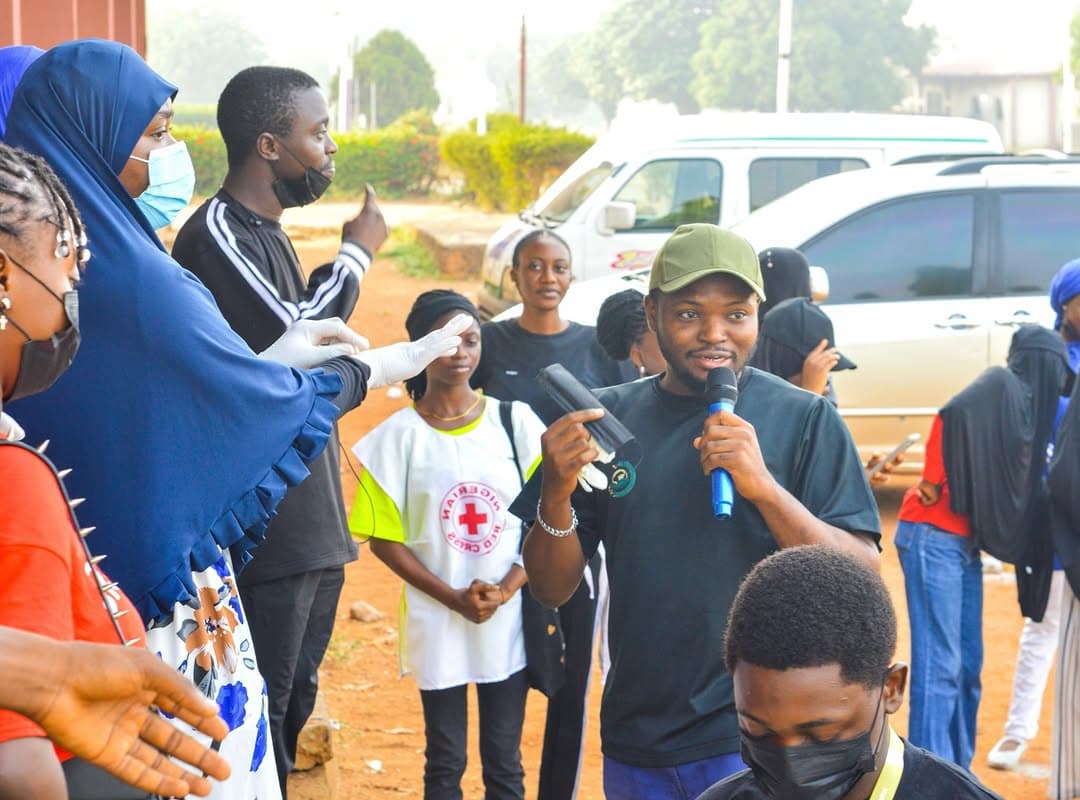
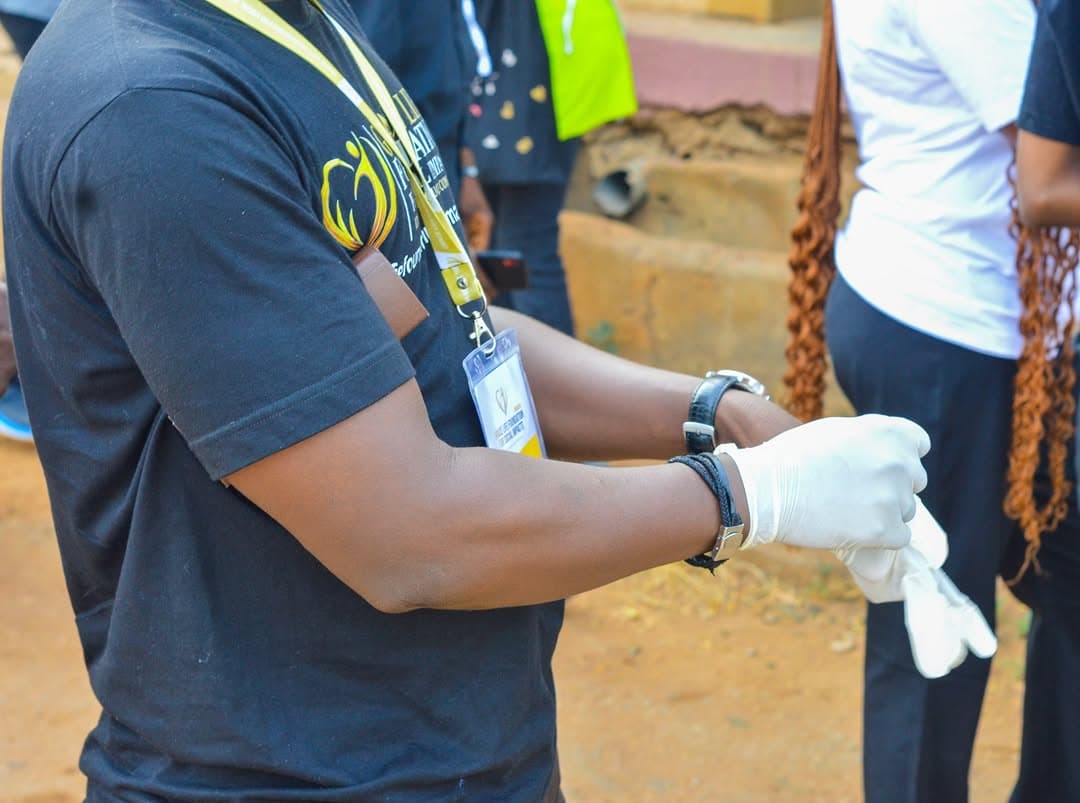
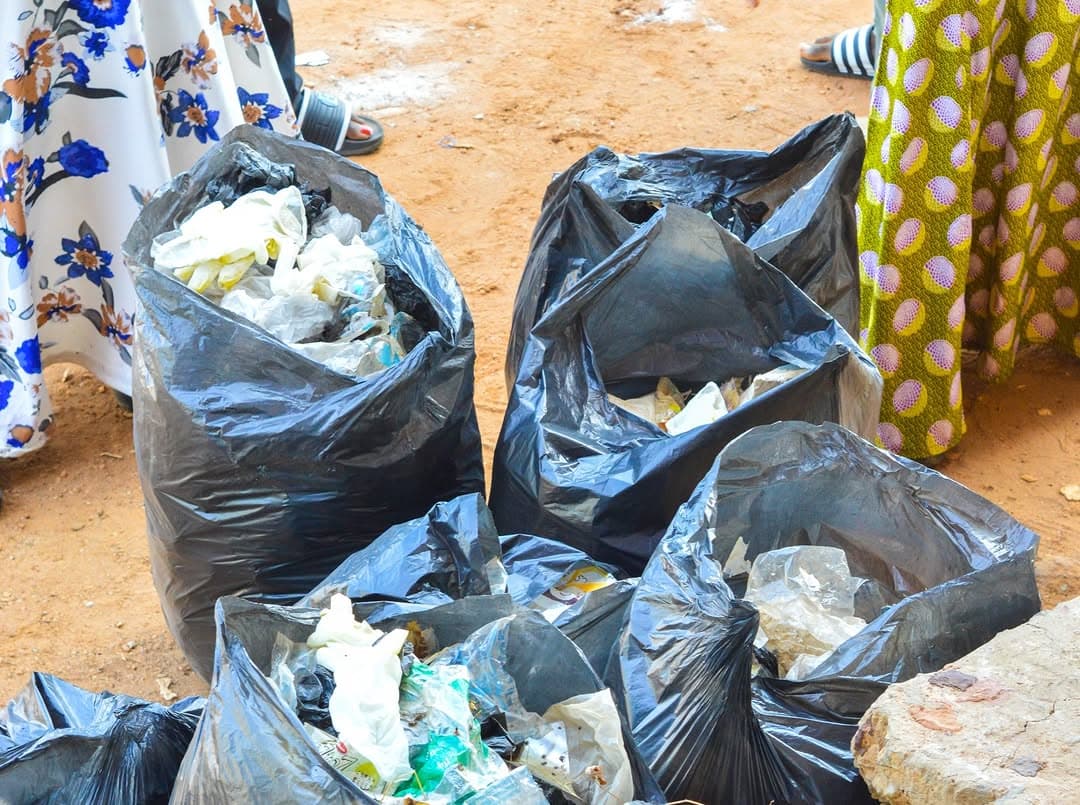
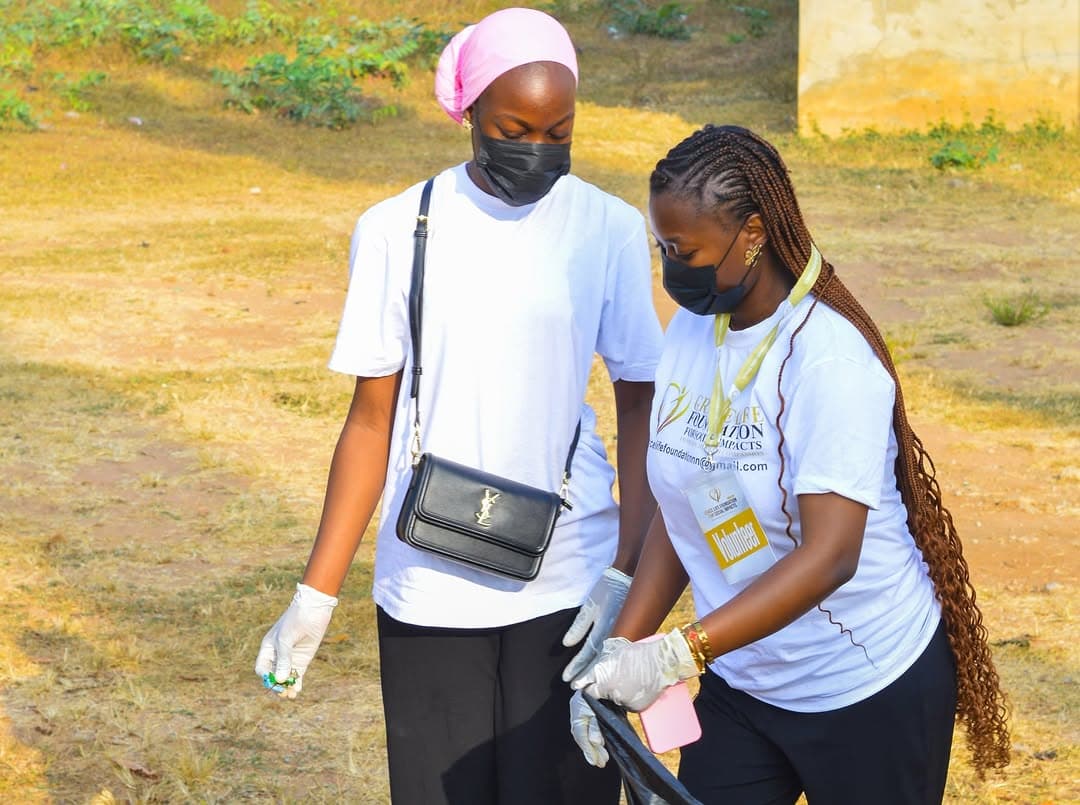
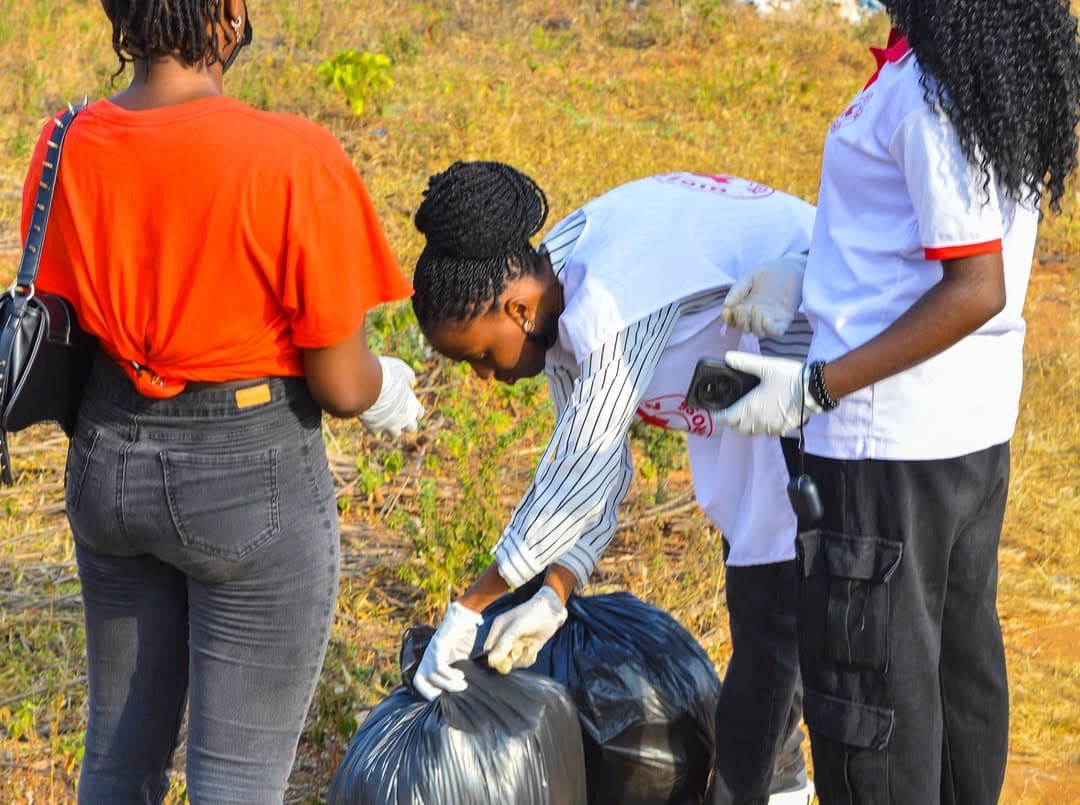
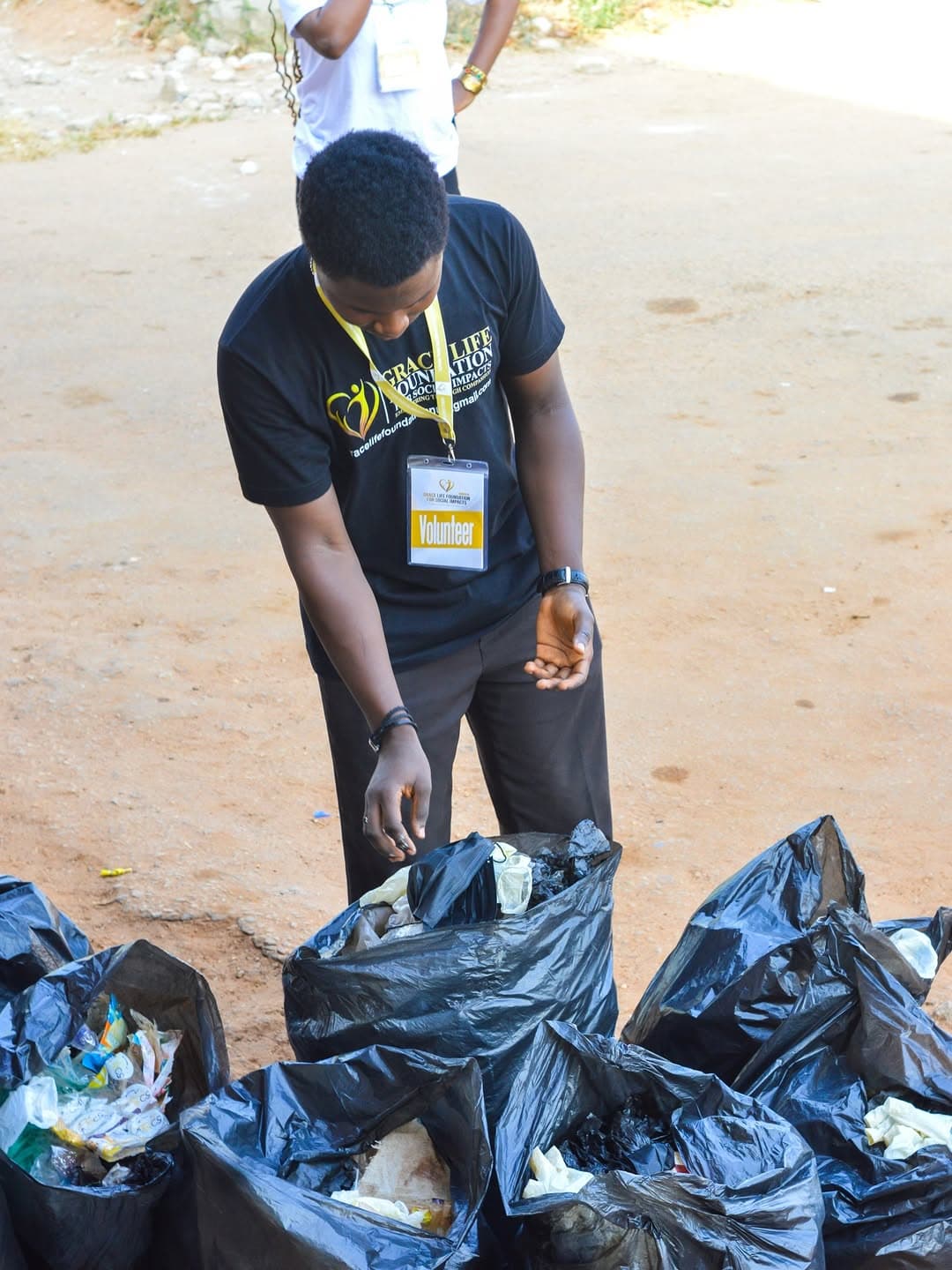
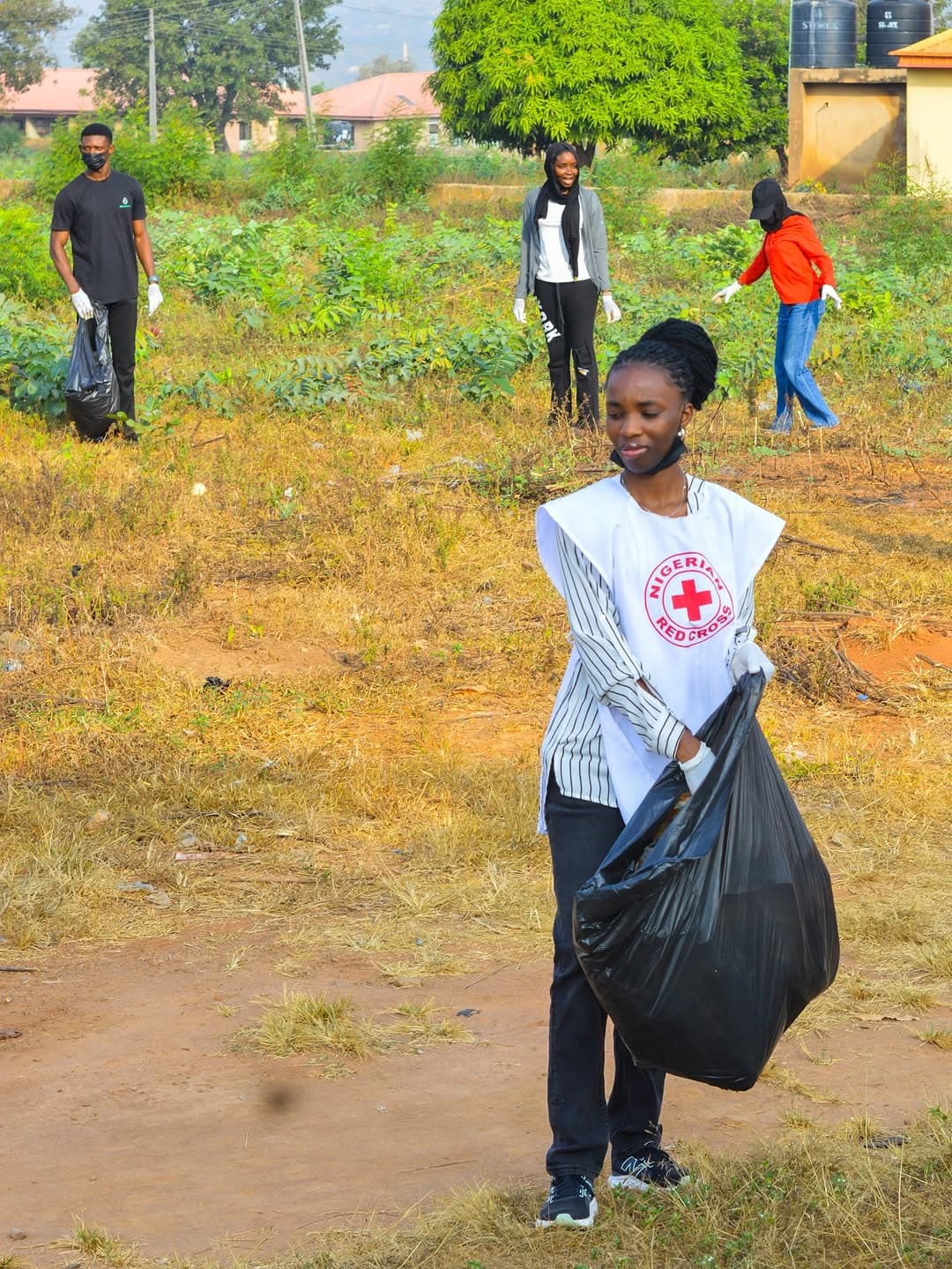
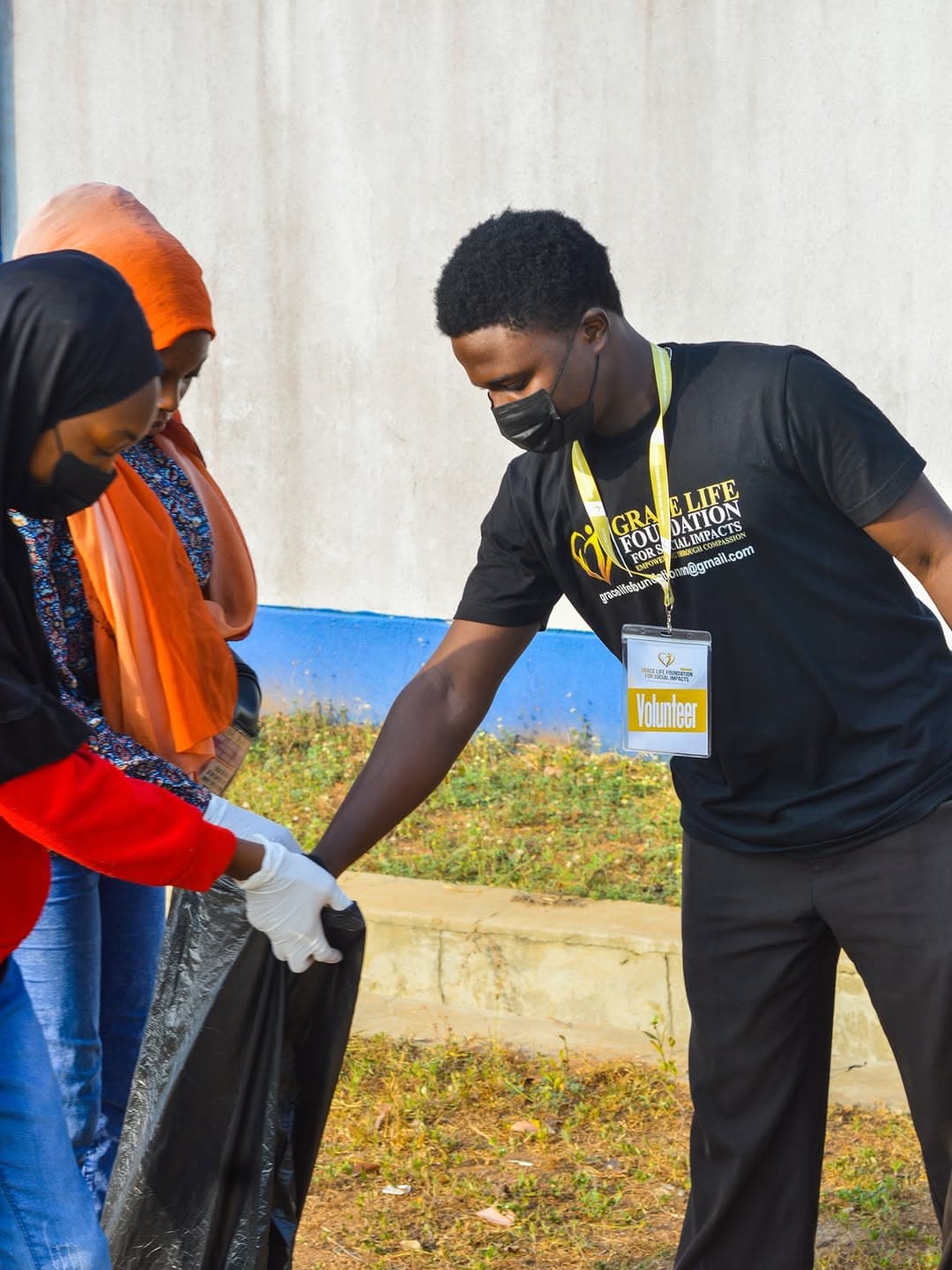
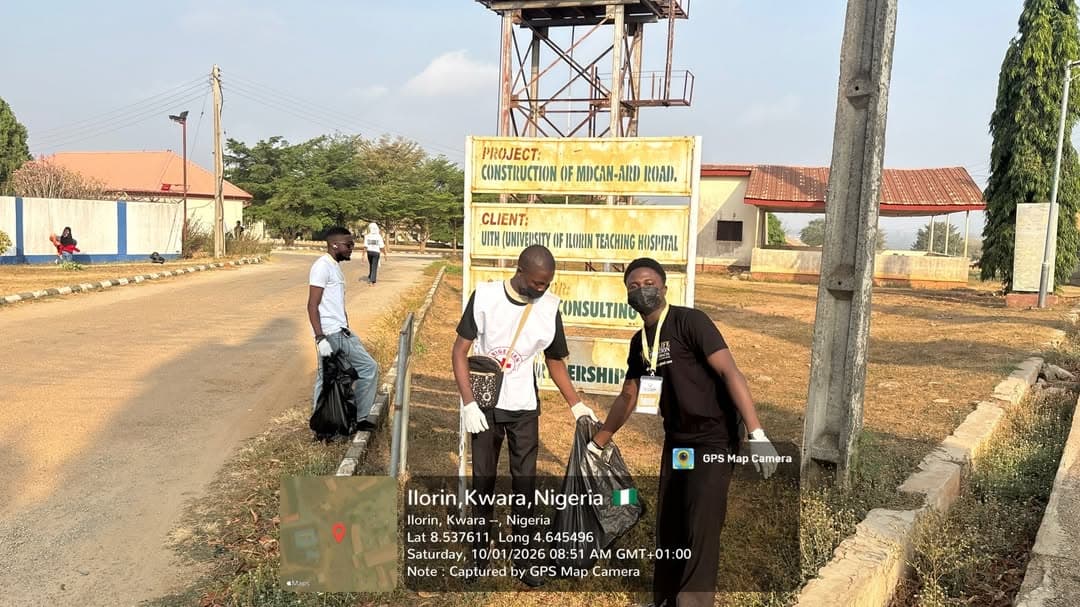
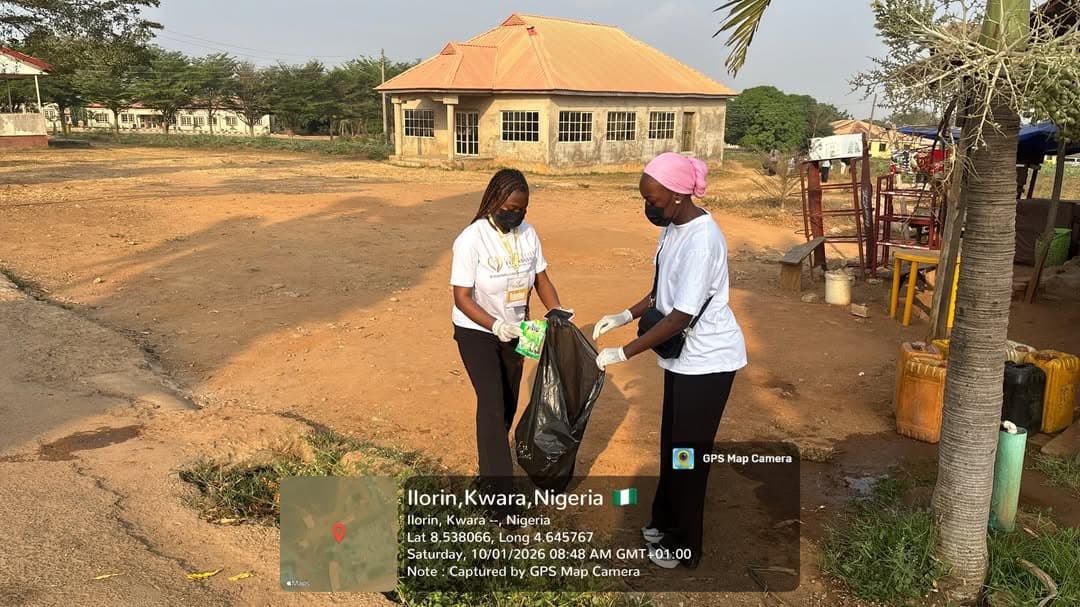
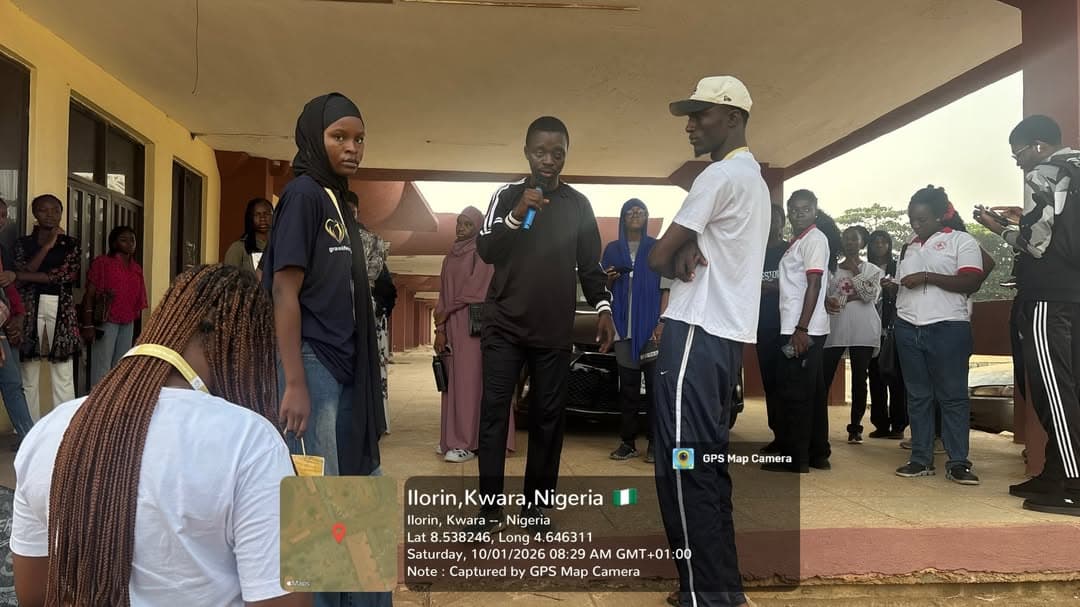
Thank you to every volunteer who showed up, bent down, picked waste, and stayed till the job was done.Your time, energy, and commitment matter more than you know.
This is how change starts. One cleanup. One community. One step forward.

Small Actions. Real Impact.

Small actions, real work!.Cleaning today so the environment holds up tomorrow.
Ilorin, Kwara State.

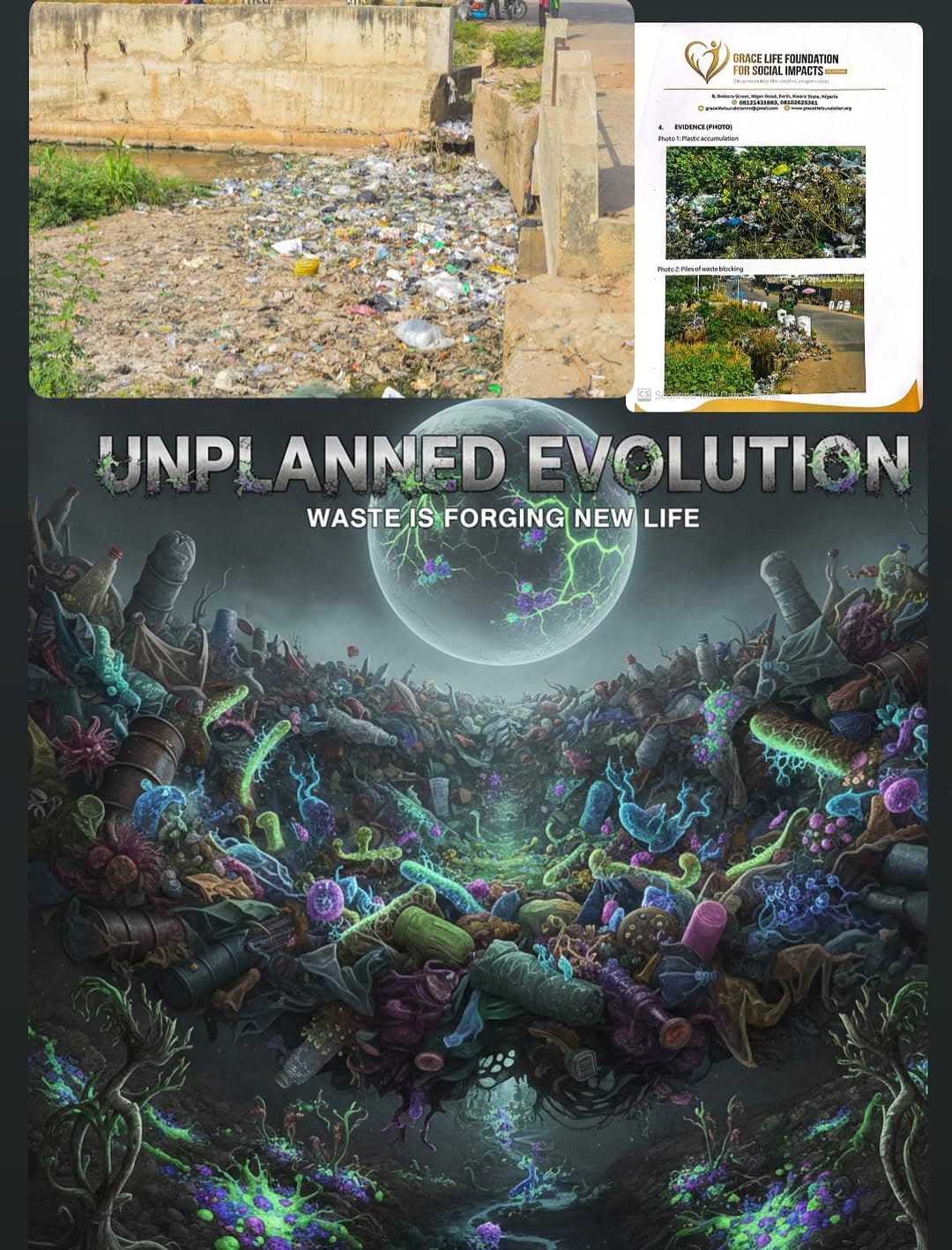
Waste is Redesigning Our Lives

We didn't mean to redesign life. But our waste is doing it anyway. Plastic isn't just polluting ecosystems anymore. It's shaping them, Feeding new microbes and Forcing nature to adapt on our behalf. This isn't innovation. It's unplanned evolution.

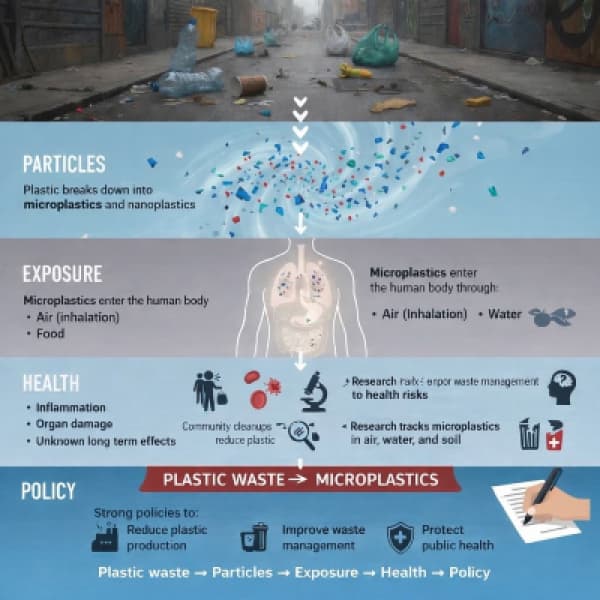
Plastic waste is a public health issue

WASTE: Discarded plastics end up on streets and in waterways.
PARTICLES: Sunlight and wear break plastics into microplastics and nanoplastics.
EXPOSURE: These tiny particles enter our bodies through air, water, and food.
HEALTH: Linked to inflammation, organ damage, and unknown long-term effects.
POLICY: Strong policies can stop the cycle by reducing plastic use and improving waste management.
Plastic waste → Microplastics → Human health
Plastic pollution is a public-health issue. Clean environment protect public health, and strong policies can stop this cycle.

Nigeria is missing from Microplastics conversation

Nigeria is largely missing from the global microplastics conversation. Not because exposure is low, but because data is absent.
Most microplastics research focuses on Europe, North America, and parts of Asia. West Africa barely appears in baseline datasets. That gap matters. Especially when microplastics are now framed as a public health issue, not only an environmental one.
At Grace Life Foundation For Social Impacts, we are trying to understand a simple question. What does the lack of Nigerian microplastics data mean for health policy, risk assessment, and global models?
Right now, our work is exploratory, Mapping gaps, learning from existing resarch, Listening to scientists who have conducted this work rigorously.
If you are a researcher, practitoner, or institution working on microplastics in Nigeria, exposure scientists, or environmental health, we would value your perspective. Especially on what responsible first steps should look like in a low data setting in Nigeria.
Reach out to us via Email: gracelifefoundationnn@gmail.com
GRACE LIFE FOUNDATION.

Not all clean water is safe

Clean water does not mean safe water! This water looks calm, but would you bet your health on it?. Microplastics don't announce themselves. They sit in water, food and bodies. Nigeria has no local data on this. What should we be measuring first?
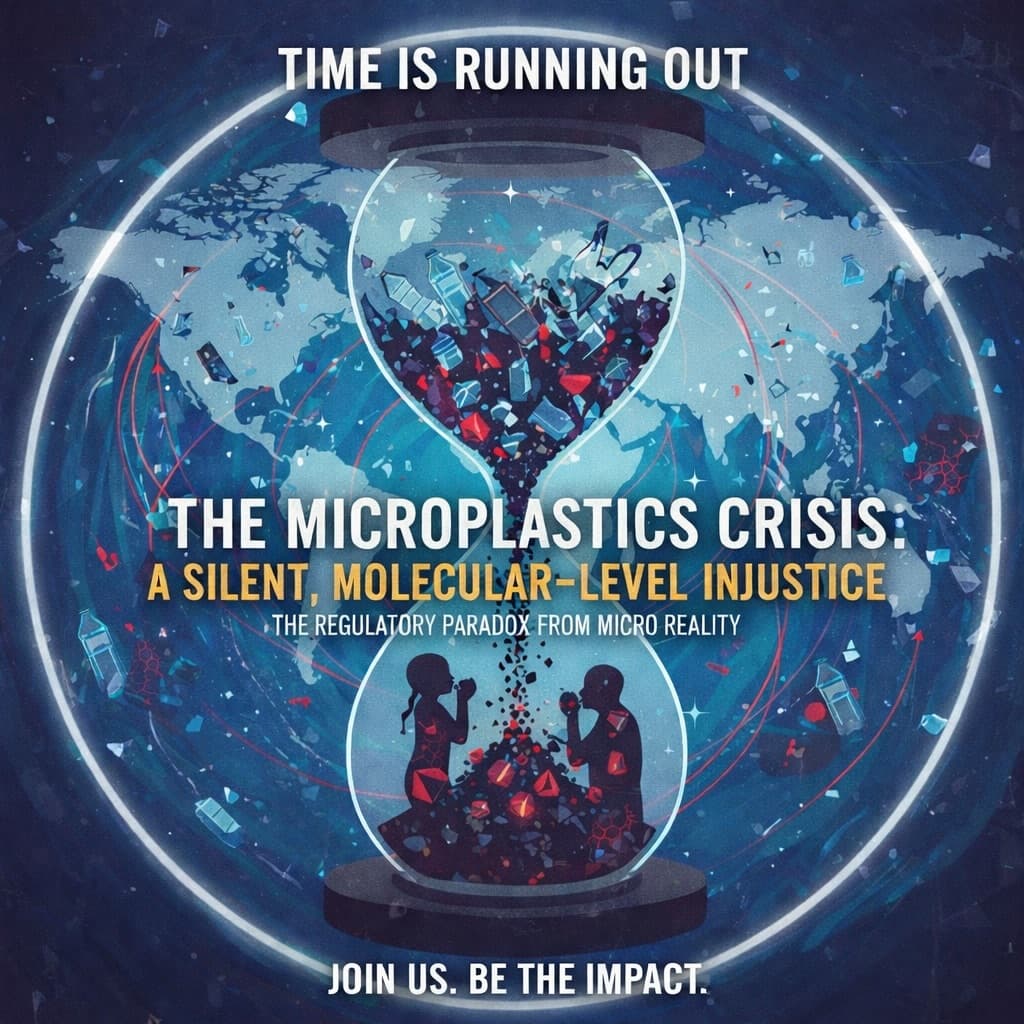
Time is Running Out

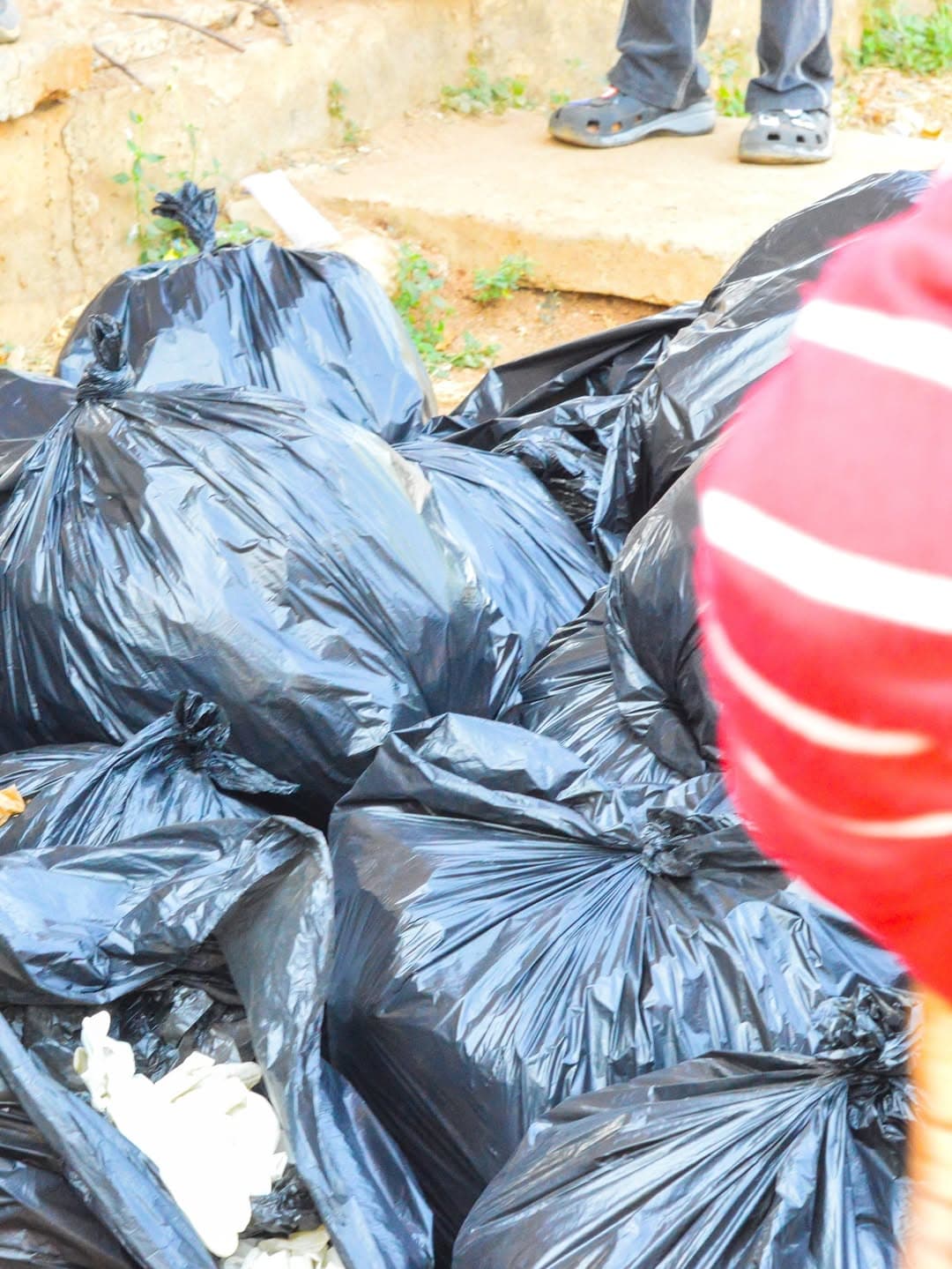
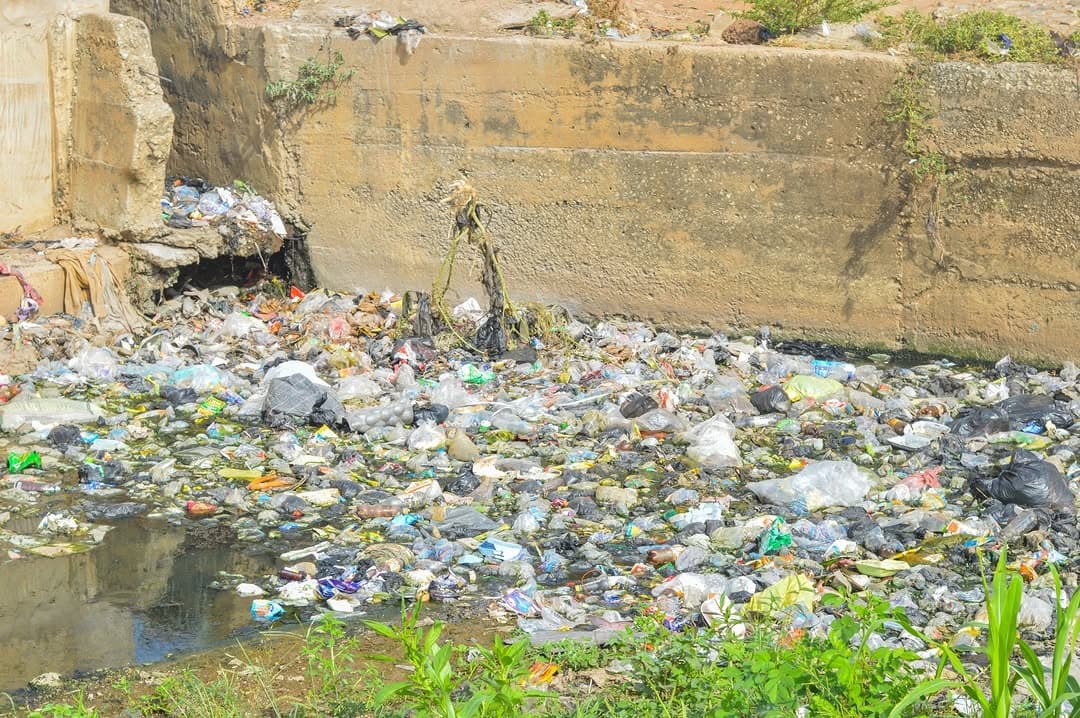
Plastic pollution is often still treated as something we see simply floating in our oceans. The plastics causing the most pervasive harm do not float, they are the insidious, microscopic particles that infiltrate every part of our environment. They wear off tyres and brake pads on our roads. They flake from road markings and infrastructure. They settle into the air we breathe and the water we drink. Current regulation typically pursues the easy, visible targets: straws, bags, and large, visible waste. Meanwhile, these smallest particles: microplastics and nanoplastics move through gaps that policy has yet to fully reach. This is not a loud, visible crisis, it is a quiet, systemic one. It is a shared challenge that cuts across science, public health, transport, and environmental regulation. For those working in research, public health, policy development, or environmental action, this is a space we must tackle collaboratively. The problem is shared, and the comprehensive response must be too. The visible pollution in the picture is the feedstock for the invisible pollution that constitutes the more pervasive, systemic harm. To truly address the quiet crisis, we must clean up and prevent piles!!!

Microplastics in Our Food

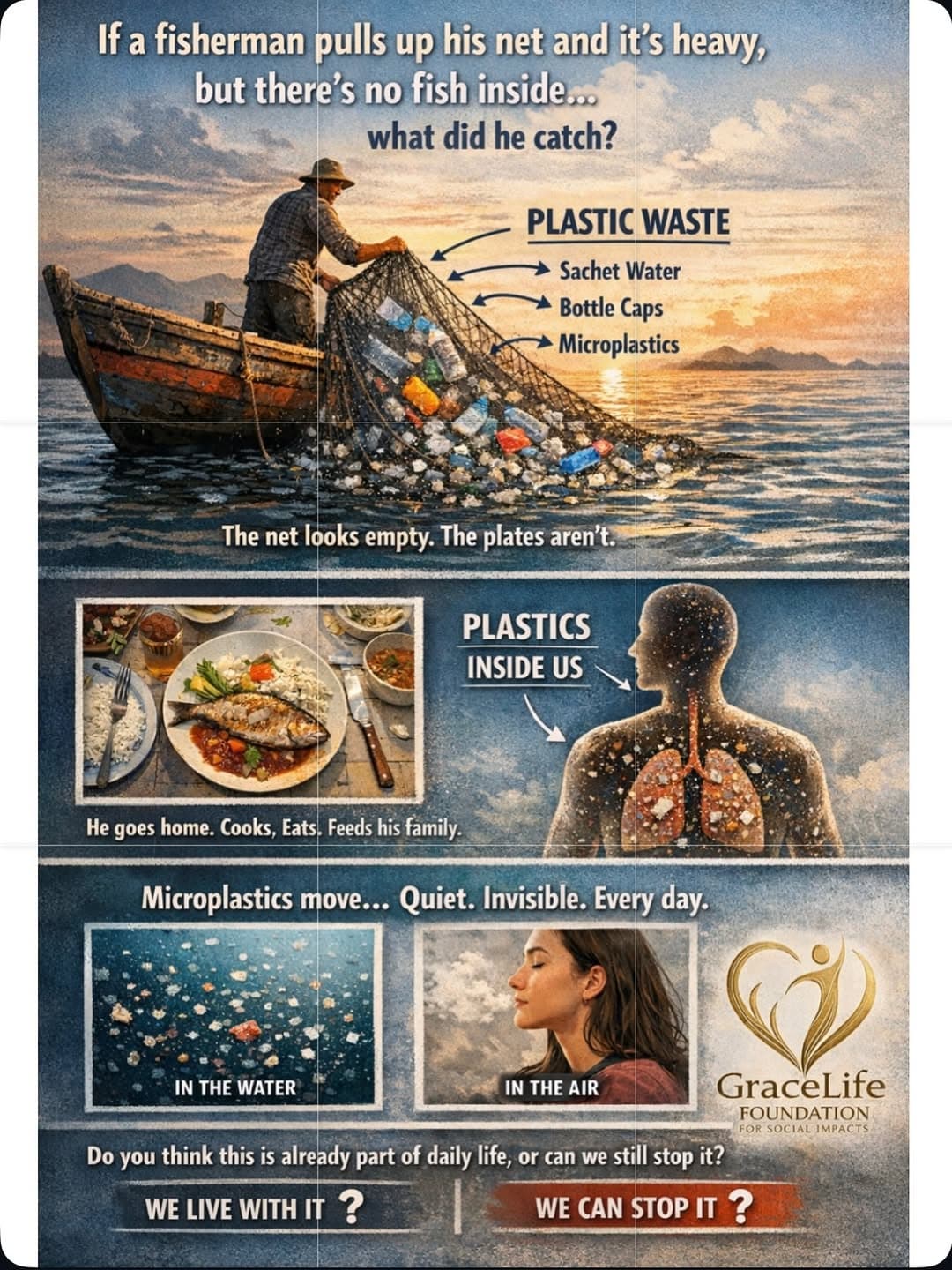
LET ME ASK YOU SOMETHING. If a fisherman pulls up his net and it's heavy, but there's no fish inside, what do you think he caught? That “weight” is plastic we used once and forgot! Sachet water, bottles, wrappers. Broken down so small you can't see them, but big enough to stay in our bodies. He goes home… cooks, eats and feeds his family. The net looks empty, The plates aren’t. This is how microplastics move! Not with noise!! With routine!!! Do you think this is already part of daily life, or do you think we still have time to stop it?

Microplastics Are inside Us already

Microplastics are already inside us. In our water. Our food. Our air. Nigeria feels this reality every day. With a large population, heavy plastic use, informal waste systems, and diverse ecosystems, Nigeria shows the full picture of microplastic exposure in real life, not in controlled labs. Yet the country remains under-studied. This gap is a missed opportunity. For researchers and innovators, Nigeria offers scale, urgency, and conditions where findings can shape health outcomes and policy. At Grace Life Foundation For Social Impacts, we are opening doors for serious collaboration. Field research, Community access, Pilot solutions. Policy-focused work that goes beyond papers. This is not charity work. It is meaningful science, where impact is immediate. If you want research that matters, Nigeria is ready.

Nigerians Breathes Plastics Everyday

Nigeria eats, drinks, and breathes plastic every day, often without knowing it. Microplastics are already inside our bodies. In our water. Our food. Even the air we inhale. This is no longer an environmental issue alone. It is a public health problem. Plastics break down. They do not disappear. They enter rivers, farms, and markets. From there, they enter you. Waiting costs more. Health risks grow. Clean-up becomes harder. We can still reduce the damage. We can change waste habits. We can demand accountability. We can protect our communities. Act now. Before the damage becomes permanent.

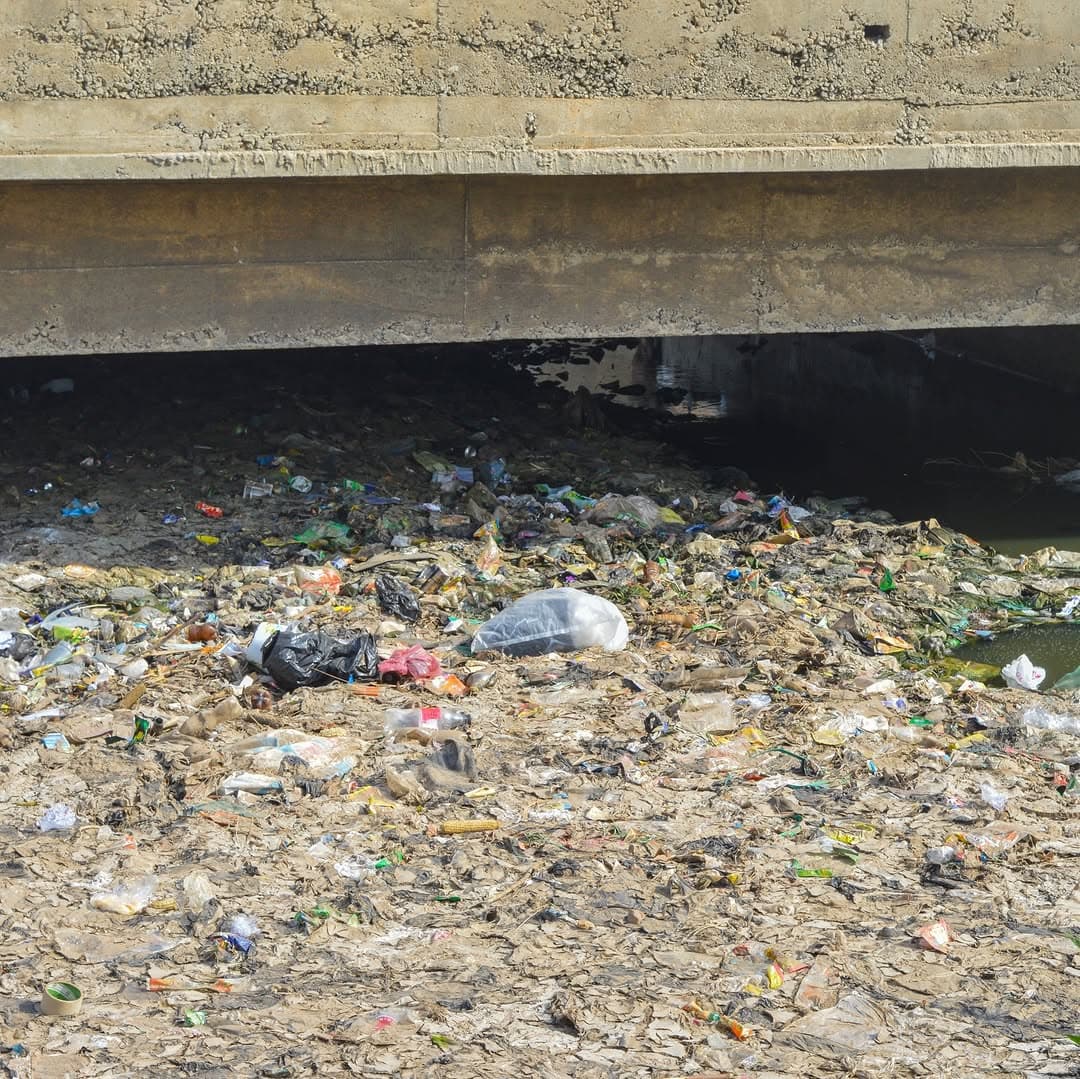
Observation of Microplastics Accumulation in Urban Waterways

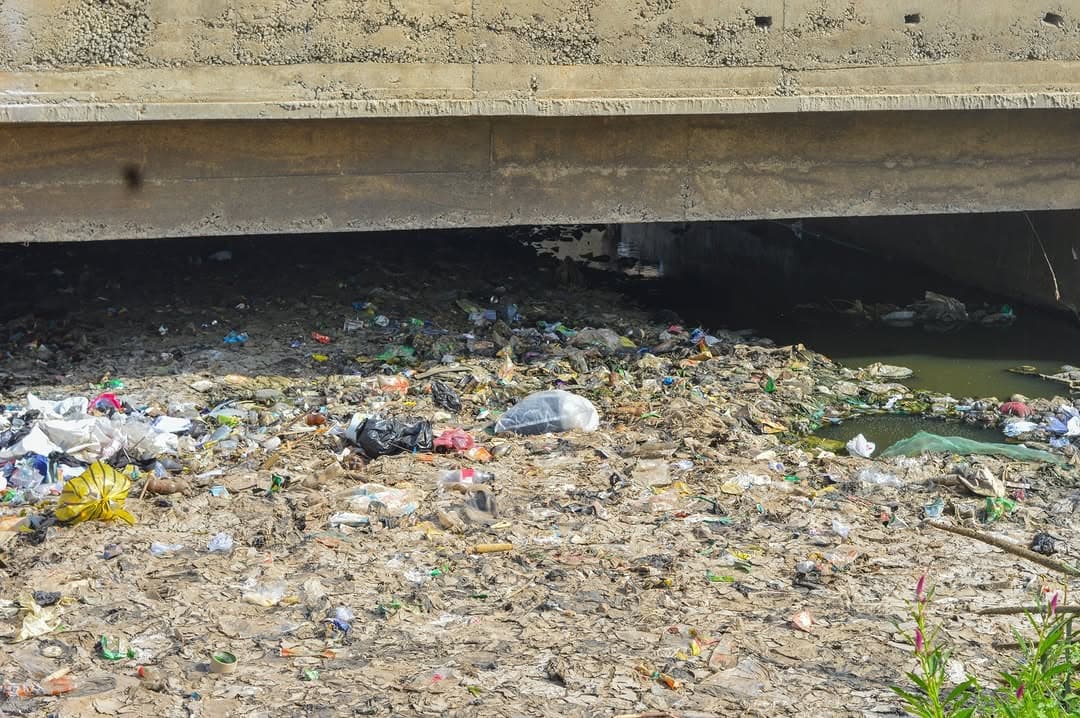
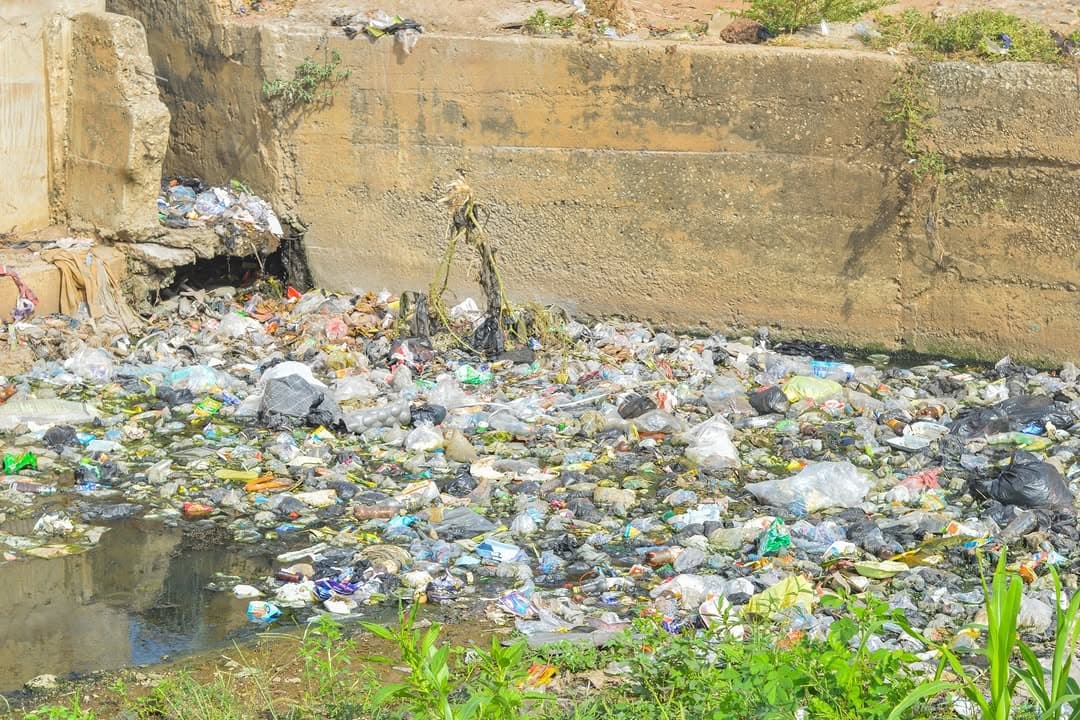
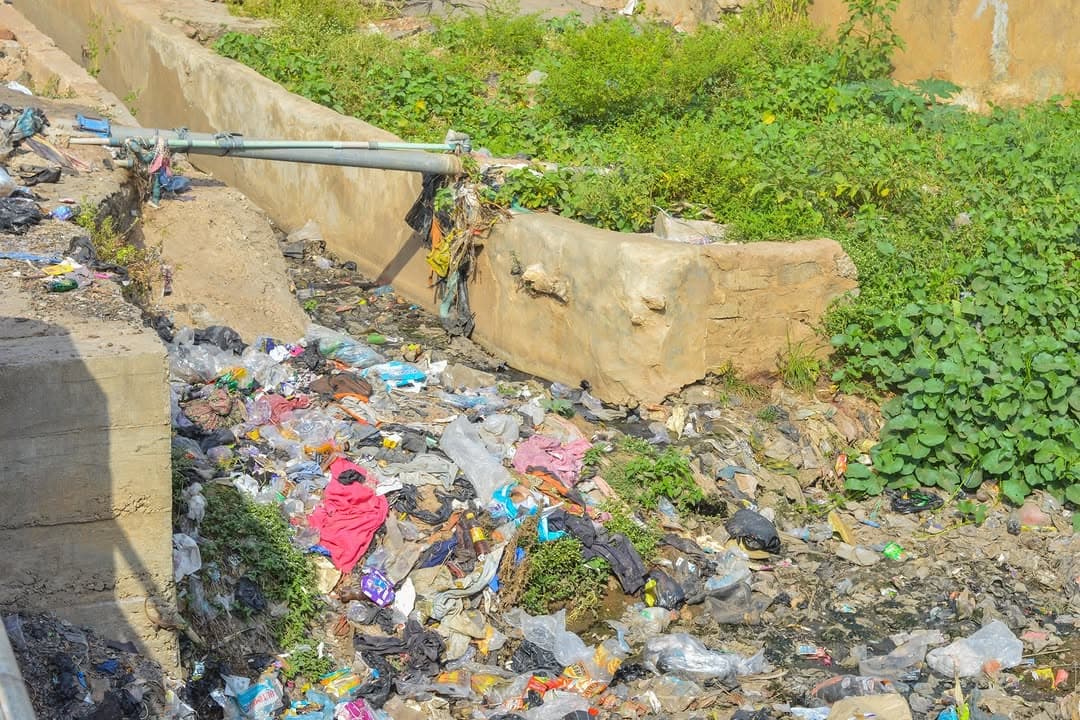
The stream in this part of Ilorin is filled with plastic waste and stagnant runoff. People live beside it and breathe it every day. A major tobacco company operates close to this corridor, yet the surrounding environment remains in this state. Government agencies also see this location and nothing changes.

Industries working here should support real cleanup efforts and invest in community health. Government must enforce proper waste control and protect the residents who depend on this area. Public health should not be ignored. Kwara State deserves leaders and companies that act, not look away.

Clean water is a fundamental human right. Protecting our waterways from this deluge of waste is not a choice, it is a moral imperative.

Microplastics in Oja Iya, Ilorin, Kwara state, Nigeria.

Microplastics in Oja Iya, Ilorin, Kwara state do not stay in the water. They move into food, air, and the bodies of the people who live around it. This river shows the cost. Every fragment here is a quiet threat to community health. We are raising our voice because people deserve better. Grace Life Foundation For Social Impacts is pushing for cleaner rivers, safer water, and evidence that drives action!

The water is gone

The water is gone. The life is gone. What you see here flows into our bodies, our food, our children. Microplastics don’t disappear. They break us down slowly. We need action. We need cleanup. We need accountability. This should never be normal.

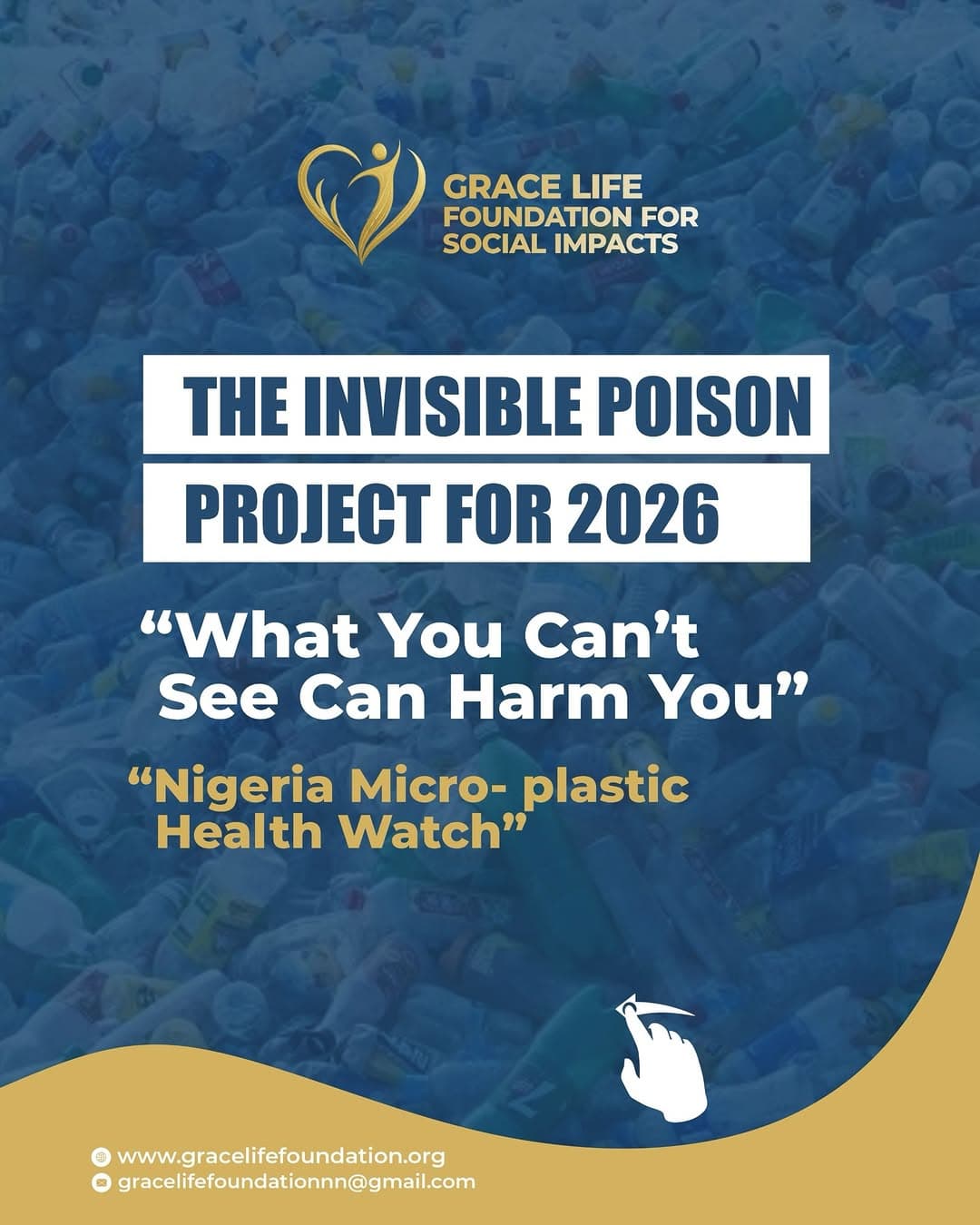
THE INVISBLE POISON PROJECT FOR 2026

Fighting the Invisible Poison: Nigeria's Microplastic Health Crisis

The air we breathe, the water we drink, the food we eat—a hidden danger lurks within them all. Welcome to The Invisible Poison Project for 2026, the Nigeria Micro-plastic Health Watch led by the Grace Life Foundation for Social Impacts.

The truth is stark: Nigerians are unknowingly consuming microplastics daily. These tiny, insidious particles are residues of widespread plastic pollution, and they are silently infiltrating our most vital biological systems.

Why This Matters: The Hidden Threat

This project is a critical call to action because the consequences of this "invisible poison" are far-reaching:

  • Health Impacts: Microplastics are not inert. They are suspected of affecting fertility, compromising heart health, and suppressing immune system function. We must fully understand and address this undocumented public health crisis.
  • A Public Health Imperative: When pollutants go unnoticed, they go unchecked. By launching the Nigeria Micro-plastic Health Watch, we are initiating crucial assessments to quantify the threat and gather the data needed for evidence-based solutions.
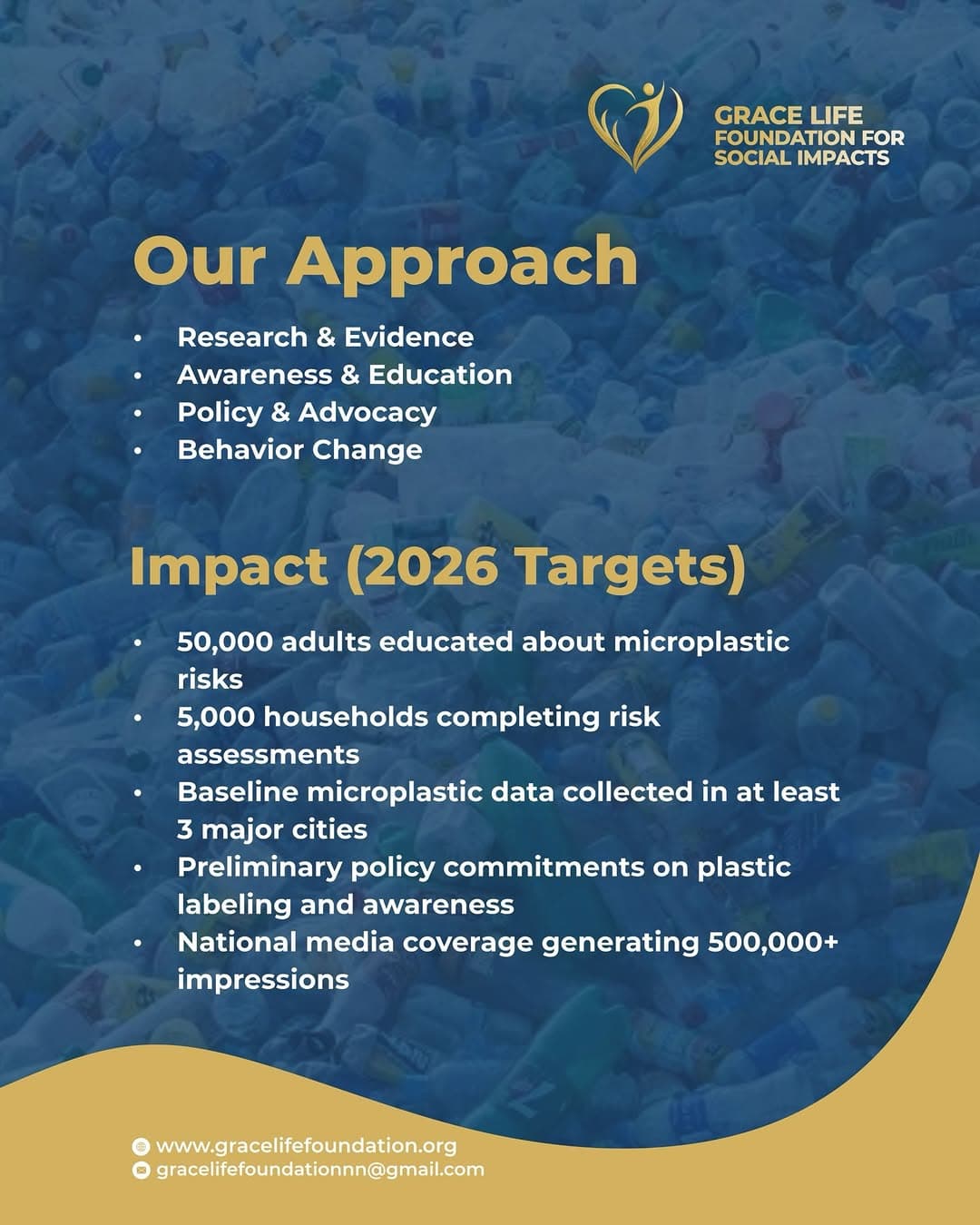
  • Building a Better Future: Our mission is to raise awareness, generate scientific data, and empower communities and policymakers to tackle microplastic contamination at its source. We refuse to let the quality of life be silently degraded by this widespread enemy.

Join the Watch

We are mobilizing resources, experts, and community support to take the lead in public health solutions against this invisible threat. The time for denial is over. The time for action is now.


Get In Touch

We'd love to hear from you and explore ways to collaborate

Location

Nigeria

Follow Us

TikTok | Instagram | X | LinkedIn