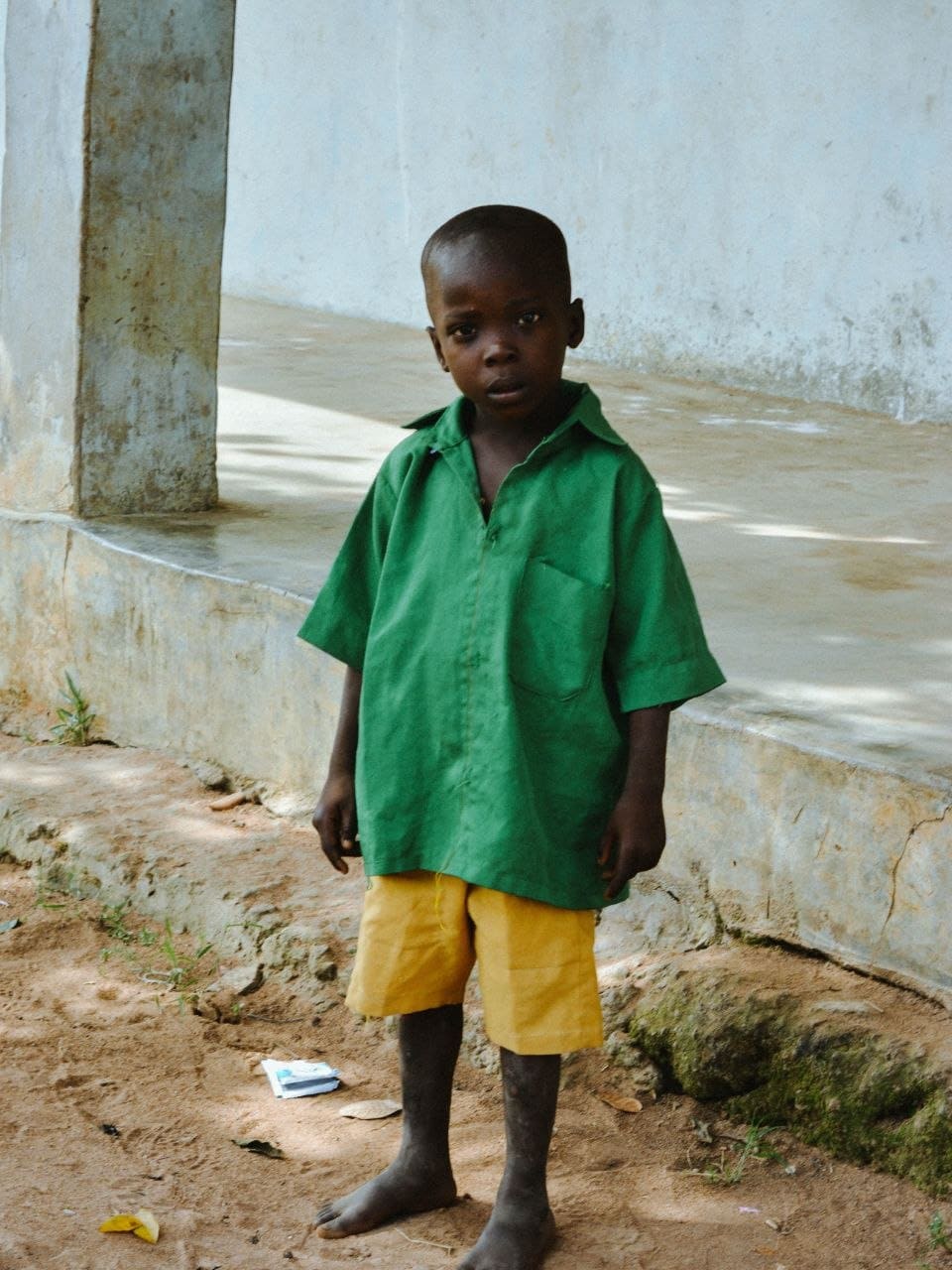
The Environmental Health of a Child
A Comparative Environmental Health Initiative Across Communities in Kwara State
A child in an urban neighbourhood, a child in a commercial town, a child in a peri-urban community, and a child in a rural community may all live in the same state, but do they experience the environment in the same way?
This question forms the basis of The Environmental Health of a Child, an initiative by Grace Life Foundation For Social Impacts examining how children’s environmental experiences differ across urban, peri-urban, commercial and rural communities in Kwara State.
Children do not choose the quality of the air they breathe, the water available to them, the condition of the roads they use, how waste is managed around them, or the environmental conditions of their schools and communities. Yet these conditions may differ significantly depending on where a child lives and learns.
- What environmental conditions surround children in different communities?
- Does access to clean water and sanitation differ?
- Do children experience different levels of exposure to waste, smoke and other forms of pollution?
- How do drainage, flooding and physical surroundings affect children?
- Are school environments equally safe and healthy?
- How do food, roads, transportation and community activities shape children’s daily environmental experiences?
- What environmental challenges do children themselves identify?
- What can communities, schools, government and other stakeholders do differently?
Six Local Government Areas, six different community contexts.
Asa
Peri-urban and rural environment
Outreach completedBaruten
Rural environment
Coming soonIlorin East
Urban and peri-urban environment
Coming soonIlorin South
Urban and peri-urban environment
Coming soonIlorin West
Urban environment
Coming soonOffa
Commercial environment
Coming soonThe purpose is not to label one community as better or worse than another. The purpose is to understand the differences.
Akopari, Asa LGA
The community has a borehole, but it no longer works. Families now depend on river water, adding alum in an attempt to make it safe for drinking. At the local school, teachers have toilets, but without water, maintaining proper sanitation becomes difficult.
Read the field reportThe Final Question
Does where a child grows up determine the environmental experience they have, and what can we do to ensure that every child has a healthy environment in which to grow, learn and thrive?
Support our mission
Every gift funds a specific project. Choose whichever account works best for you and send your transfer using the details below.
 Stanbic IBTC USD
Account Name: Grace Life Foundation for Social Impacts
Account Number: 0076252821
Stanbic IBTC Naira
Account Name: Grace Life Foundation for Social Impacts
Account Number: 0076252814